
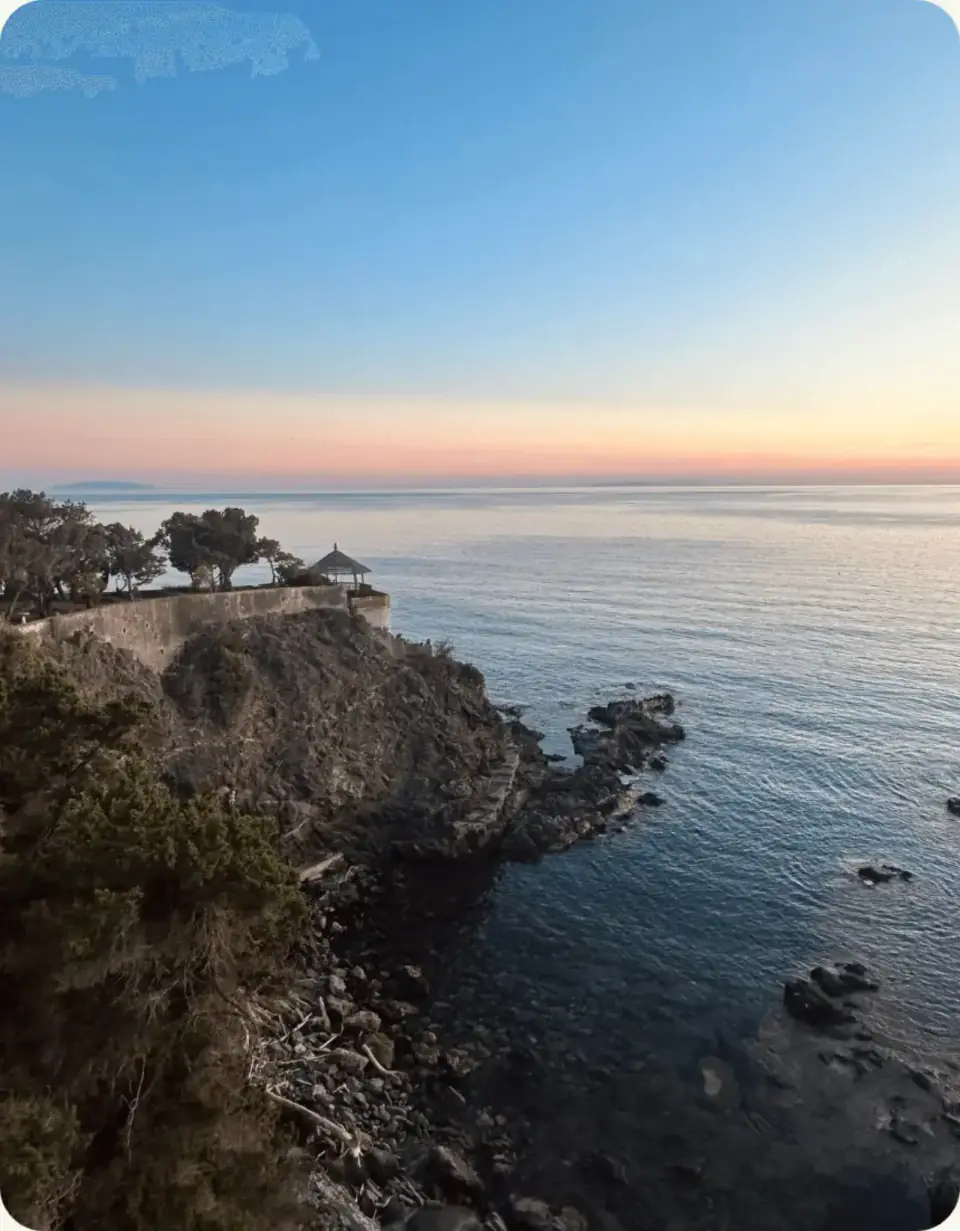
Tuscany's wine is inseparable from its landscape. The same hills that produce Sangiovese produce the stone farmhouses, the cypress avenues and the light that people photograph. A wine tasting here is less a visit to a facility than an hour inside a place.
This guide explains the main wine landscapes, how they differ, and how to plan a tasting without turning the day into a drive.
Chianti Classico
Chianti Classico is the historic heart of Chianti, between Florence and Siena, marked by the black rooster emblem. It is a landscape of vineyards, woods, stone villages and farmhouses, and it produces red wines based on Sangiovese. The villages of the zone — Greve in Chianti, Radda, Castellina, Gaiole — are small and deliberately unhurried.
It is also the most visited wine landscape in Tuscany. In high season, book ahead and go early. The quiet is part of what you came for.
Montalcino and Brunello
Montalcino, south of Siena, is the home of Brunello di Montalcino, made from Sangiovese Grosso. The town sits on a hill with wide views over the Val d'Orcia and the vineyards below. The wines are structured and long-lived, and the estates range from small family cellars to large names.
Because the zone is compact, a day here can combine a visit to the town, a tasting and a walk. It is a good choice if you want depth rather than breadth.
Montepulciano and Vino Nobile
Montepulciano, east of Montalcino in the province of Siena, makes Vino Nobile di Montepulciano, also based on Sangiovese. The town is a Renaissance set piece on a ridge, with cellars cut into the rock below the streets. Tasting here often means going underground, which is part of the pleasure.
Bolgheri and the coast
Bolgheri is a frazione of Castagneto Carducci, in the province of Livorno, a short way inland from the coast. It is known for the Bordeaux-style blends that changed the reputation of the Tuscan coast, and for the cypress avenue that leads to the village. The landscape is flatter and greener than Chianti, with the sea always nearby.
For a stay on the Livorno coast, Bolgheri is the most natural wine excursion: a different landscape from the hills, and a useful reminder that Tuscan wine is not only Sangiovese.
San Gimignano and Vernaccia
San Gimignano, in the province of Siena, is famous for its towers and for Vernaccia di San Gimignano, one of Italy's historic white wines. The town is busy in season, but the surrounding countryside is still vineyard and olive grove. A tasting here pairs well with a walk along the walls.
The Maremma
Further south, the Maremma makes Morellino di Scansano, a red based on Sangiovese with a warmer, more Mediterranean character. The landscape is wider and wilder than Chianti: long beaches, pine woods, farmland and hill towns. It is a different wine holiday, and a good one for travellers who want space.
How to taste well
Choose two or three estates rather than six. Ask about the visit when you book: many cellars require an appointment, and some offer tours while others only pour. Taste the entry-level wines before the reserve: it is the best way to understand a producer. Spit if you are driving. Buy a bottle you liked rather than the one with the most impressive label.
We do not publish opening hours, prices or a list of estates, because they change and because a recommendation should depend on what you actually like. Ask us when you are staying and we will point you towards the kind of visit that fits.
Designated driver, children and seasons
Wine tasting and driving do not mix. Decide on a driver before you leave, or arrange a driver for the day. Children are welcome in many cellars but not all, so ask when booking. Harvest runs from late summer into autumn, and the countryside is at its most active then; spring and early autumn are the most comfortable seasons for visiting.
Staying on the coast
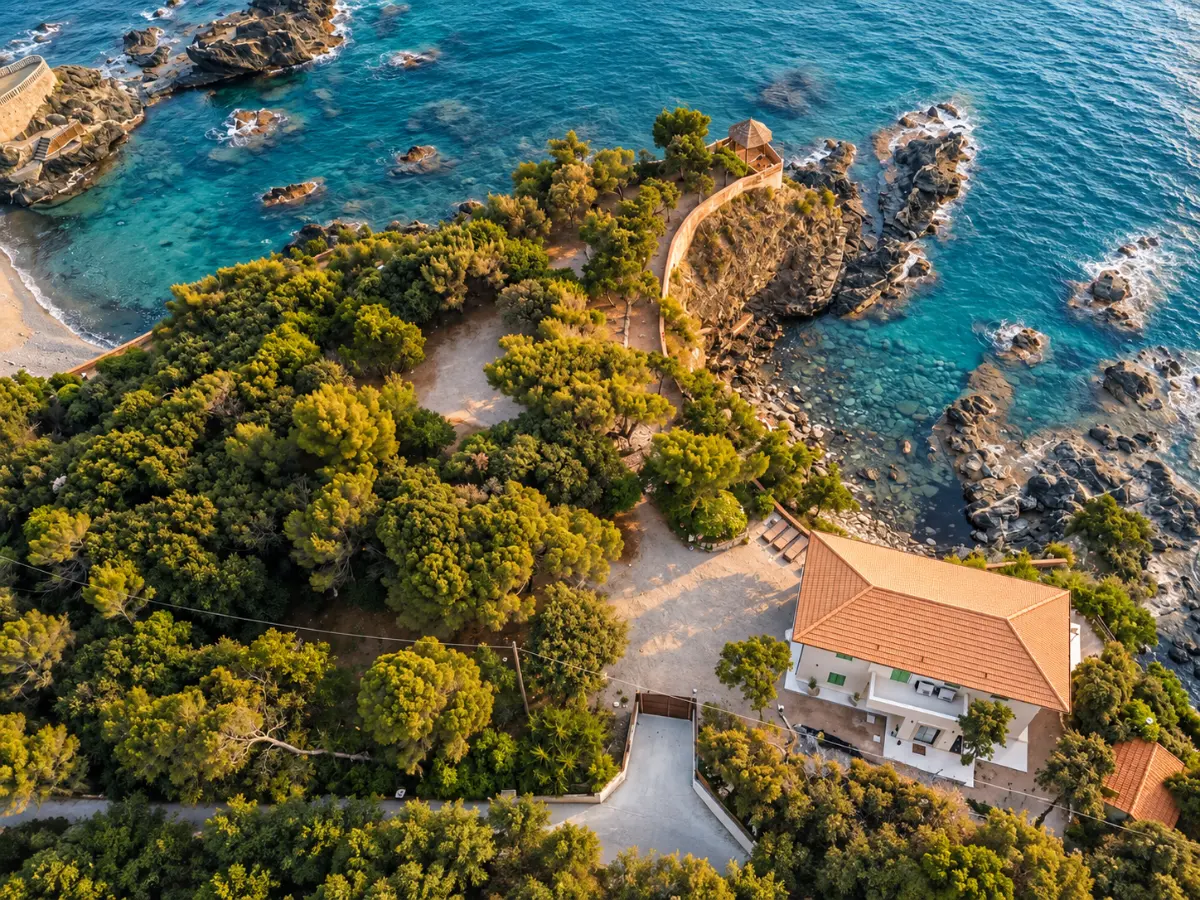
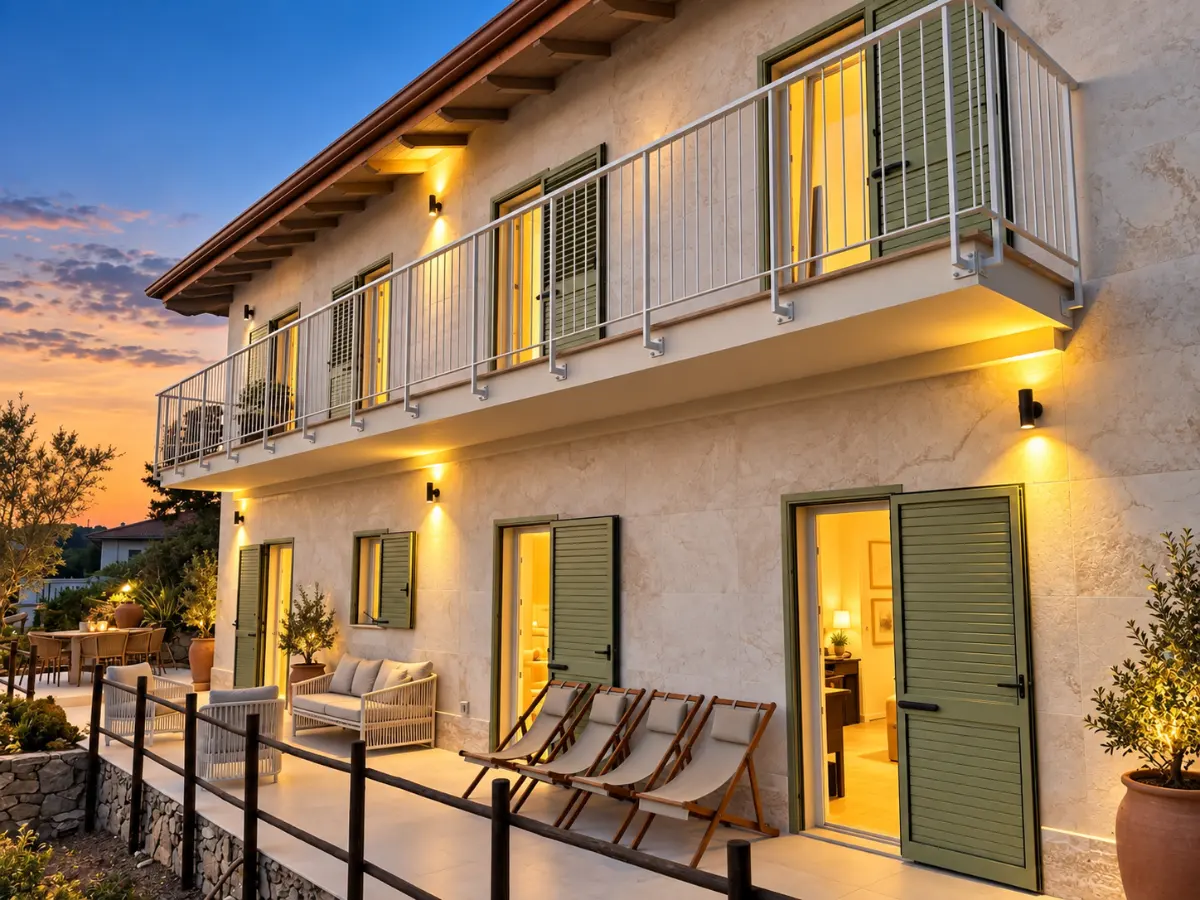
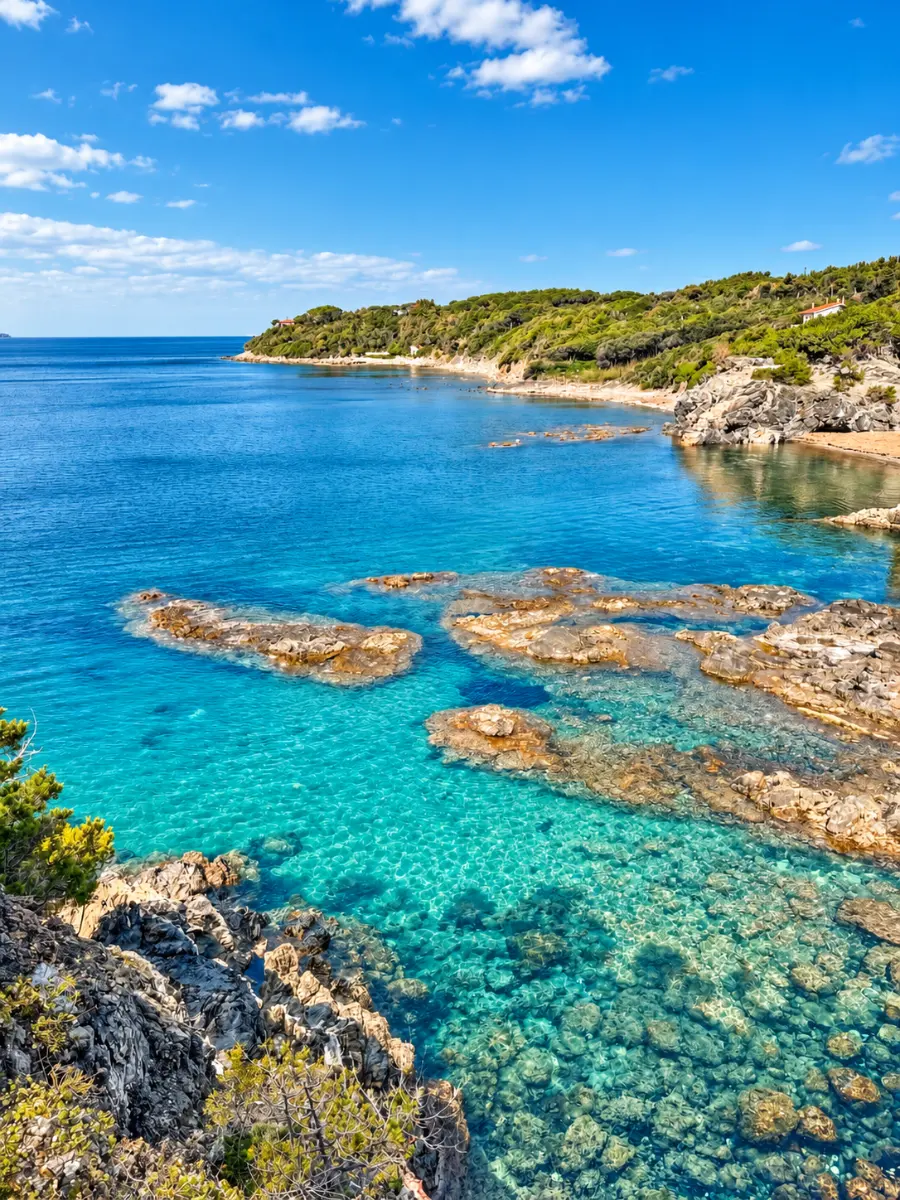
Roc Villa Bay is in Castiglioncello, on the Livorno coast, with four bedrooms, three private units, more than 4,000 m² of Mediterranean garden and two private accesses to the sea. It is a useful base for the coastal wine estates and for the wider Tuscan countryside, provided you accept that Tuscany is larger than a single day trip suggests.
The things to do in Tuscany hub places wine alongside the coast, food, art and the sea. To ask about dates, use the enquiry form.
Questions
Good to know
Where can you taste wine in Tuscany?
The main zones are Chianti Classico between Florence and Siena, Montalcino and Montepulciano south of Siena, Bolgheri on the Livorno coast, San Gimignano and the Maremma.
Do you need to book a Tuscan winery?
Many estates require an appointment, especially for a tour, and some only pour without a visit. Book ahead in high season and confirm what the visit includes.
Can you visit wineries without a car?
It is possible with a driver or an organised tour, but many estates are in the countryside. Decide on a designated driver before you leave; wine tasting and driving do not mix.
Which wine region is closest to the coast?
Bolgheri, a frazione of Castagneto Carducci in the province of Livorno, is the coastal wine landscape best known for Bordeaux-style blends.
Stay at Roc Villa Bay
A private house
by the sea
Four bedrooms, three private units, more than 4,000 m² of Mediterranean garden and two private accesses to the sea in Castiglioncello.