
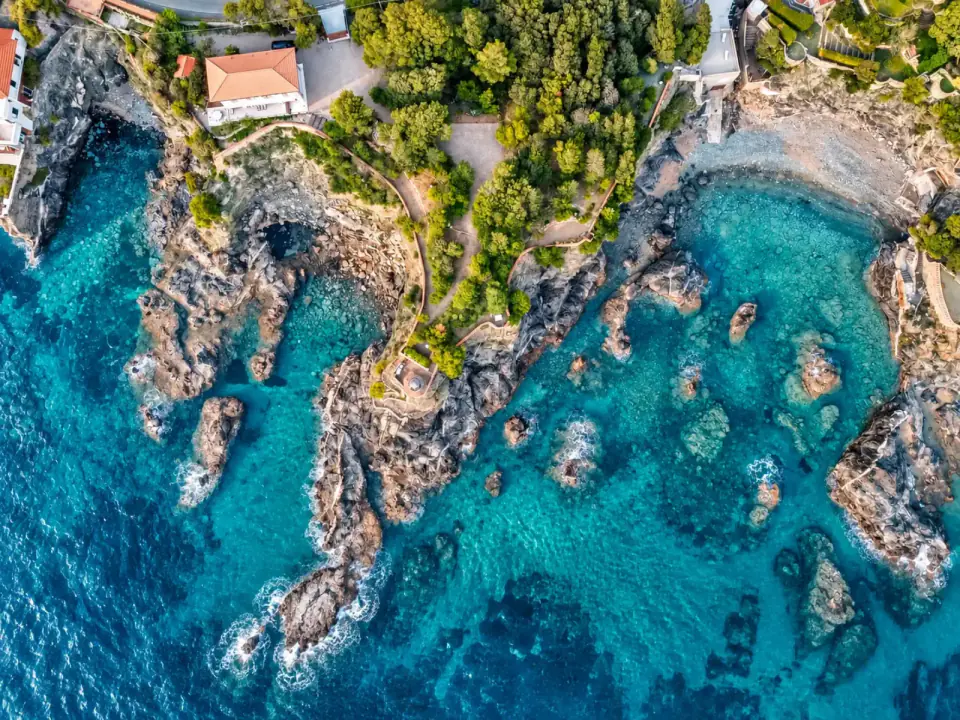
Tuscany is not one holiday. It is a coast, a set of wine landscapes, a handful of cities built on art, a countryside of olive groves and cypress, and a thermal tradition older than the Grand Tour. The mistake is trying to see all of it in a week. The better approach is to choose a base, go deep, and let the rest wait for another year.
This page is the map of that choice. Each section leads to a fuller guide, and each guide ends where every good Tuscan day ends: with a place to come back to.
Start with the sea
The Tuscan coast runs from Versilia in the north to the Maremma in the south, and it changes character more than most visitors expect. Versilia is polished and social, with beach clubs and a long promenade. The Livorno coast, the Etruscan Riviera, is a sequence of small bays, pine woods and villas behind garden walls. The Maremma is wider, wilder and more agricultural, with long beaches and wetlands behind them.
Castiglioncello belongs to the middle stretch. It is a village of roughly 3,800 residents, a frazione of Rosignano Marittimo in the province of Livorno, and it is where Roc Villa Bay stands. If you want to understand the place before you choose it, start with the things to do in Castiglioncello and the guide to the beaches of Castiglioncello.
Wine, understood slowly
Tuscany's wine map is also a landscape map. Chianti Classico lies between Florence and Siena, a hillside patchwork of vineyards, woods and stone farmhouses. Montalcino, south of Siena, makes Brunello from Sangiovese. Montepulciano makes Vino Nobile. On the coast, Bolgheri — a frazione of Castagneto Carducci in the province of Livorno — is known for the Bordeaux-style blends that changed the reputation of the Tuscan coast. San Gimignano makes Vernaccia, one of Italy's historic white wines, and the Maremma makes Morellino di Scansano.
You do not need to visit all of them. Two or three estates, chosen for the landscape as much as the wine, make a better day than a checklist. The Tuscan wine tasting guide explains how the regions differ and how to plan a visit without inventing distances or opening hours.
Food as a way of travelling
Tuscan cooking is poor cooking in the best sense: bread, beans, olive oil, vegetables, herbs and whatever the sea or the farm provides. Ribollita, pappa al pomodoro and panzanella turn stale bread into a meal. Pici, a thick hand-rolled pasta, belongs to the south of the region; pappardelle with game belongs to the hills. On the coast, the cooking turns to fish, and Livorno has its own vocabulary for it, including cacciucco.
A market, an oil mill, a cheese counter and a kitchen are more instructive than a list of restaurants. The Tuscan food guide follows that idea.
Art cities, and the space between them
Florence, Siena, Pisa and Lucca carry most of the weight of the Tuscan imagination, and they deserve it. But the region's art is not confined to its famous squares: Arezzo has Piero della Francesca, Cortona has an Etruscan foundation, San Gimignano has its towers, Volterra has alabaster and a Roman theatre. The art cities guide sets out what each place is actually like.
One honest note: a coast base is not a city base. If the Uffizi is the centre of your trip, stay in Florence and visit the coast. If the sea is the centre, visit the cities as excursions and accept that Tuscany is larger than a day trip suggests.
The sea, from the water
The Tyrrhenian is best understood from a boat. The coastline between Livorno and the Maremma opens into coves and headlands that the road never shows you, and the Tuscan Archipelago — Elba, Capraia, Gorgona, Giglio, Giannutri and Montecristo — is a national park with its own rhythm. The guide to Tuscany by boat covers the options, from a skippered day out to a kayak along the shore.
Walking and cycling
Tuscany is walked for different reasons: the Via Francigena for the pilgrim route to Rome, the Chianti hills for vineyards and stone villages, the Maremma parks for birds and open space, and the coast for pine woods and salt air. Cycling works on the same logic, from road climbs to gravel tracks and easy family routes. The walking and cycling guide explains how to choose.
Thermal water
Tuscany has been taking the waters since the Etruscans and Romans. Some places are free, open-air springs; others are historic spa towns with pools, treatments and promenades. Saturnia, Bagno Vignoni, San Casciano dei Bagni, Montecatini Terme and Chianciano Terme are different experiences and should not be confused. The thermal spas guide explains the difference.
Golf, tennis and open-air sport
Tuscany is not only a place to look at. Several golf courses sit along the coast and near the main cities, tennis clubs are common in the larger towns, and the countryside is made for riding, running and cycling. The Maremma and the Chianti hills have riding stables, and the coast has plenty of water sports.
We do not publish green fees, court bookings or a list of clubs, because they change and because the right choice depends on where you are staying. Ask us and we will point you towards what is actually available for your dates.
Markets, workshops and shopping
The ordinary Tuscan market is a better souvenir than a museum shop. Every town has its weekly market, and the historic trades are still alive: leather in Florence, ceramics in Montelupo Fiorentino, alabaster in Volterra, gold in Arezzo. The outlet villages near Florence and Arezzo are the other side of the same coin.
We do not publish market days or opening hours, because they vary by season and by town. Ask in the village or ask us; a market that is happening that morning is worth more than a schedule.
Festivals and the Tuscan calendar
Tuscany's year is marked by festivals. The Palio di Siena is run on 2 July and 16 August. The Viareggio Carnival fills February with papier-mâché floats. L'Eroica brings vintage cycling to the Chianti hills in autumn. The grape harvest and the olive harvest give the countryside its own rhythm in September, October and November.
Dates and programmes change, so check before you plan a trip around one. If a festival is the reason for your visit, tell us and we will confirm what the village and the coast are like in that period.
Families
Tuscany works well for children when the base is right: a garden to run in, a beach within reach, shade in the middle of the day, and not too much driving. The coast around Castiglioncello is particularly suited to this rhythm. The family holidays guide sets out what to look for and what to ask before booking.
How to hold a week together
A good Tuscan week does not need to be full. Give the sea two or three days. Give wine and food one long day in the countryside. Give art one day in a city, chosen deliberately rather than collected. Keep one day empty: that is usually the day people remember. And keep the evenings local, because the village is part of the holiday.
We do not publish driving times or distances between these places. They depend on route, traffic and season, and a number on a page would be less useful than a conversation. Tell us what you are imagining and we will tell you honestly what fits.
Staying at Roc Villa Bay
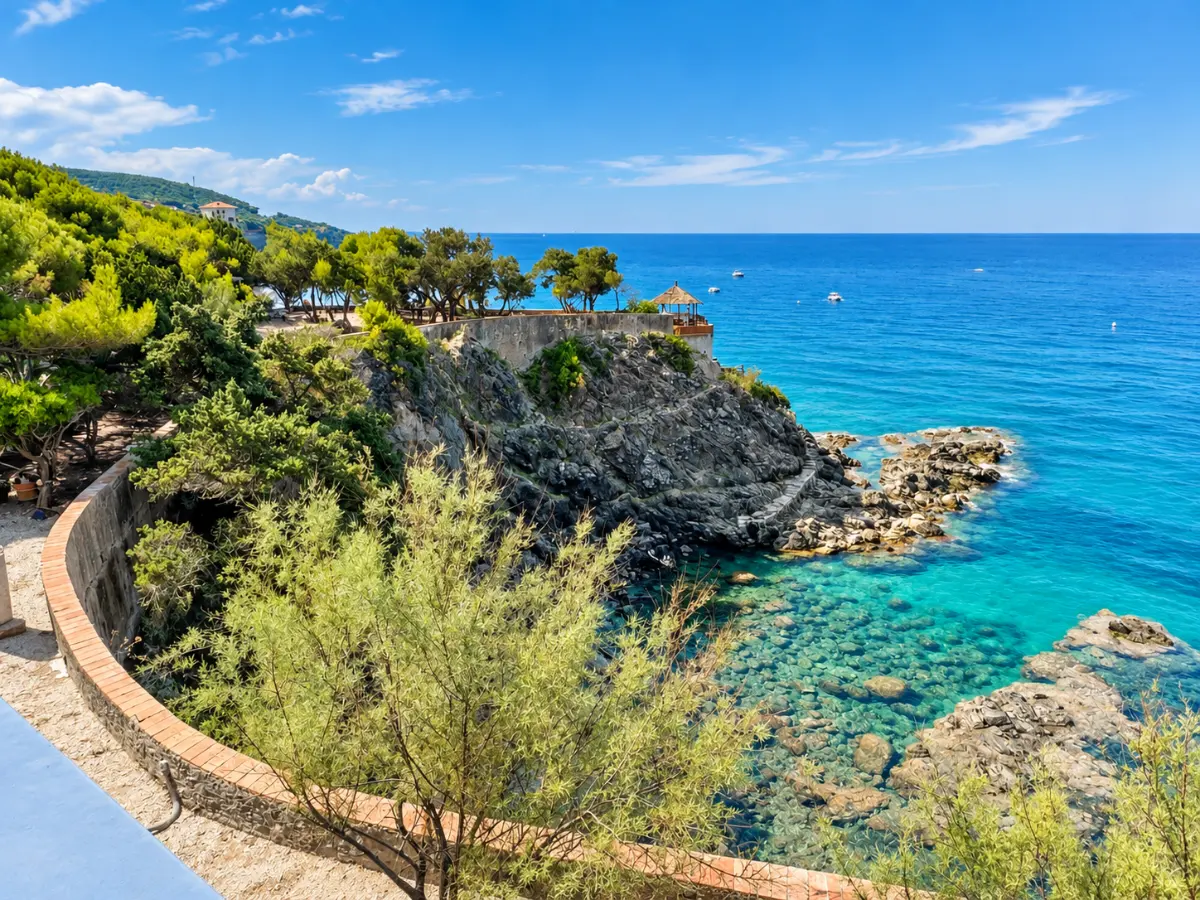
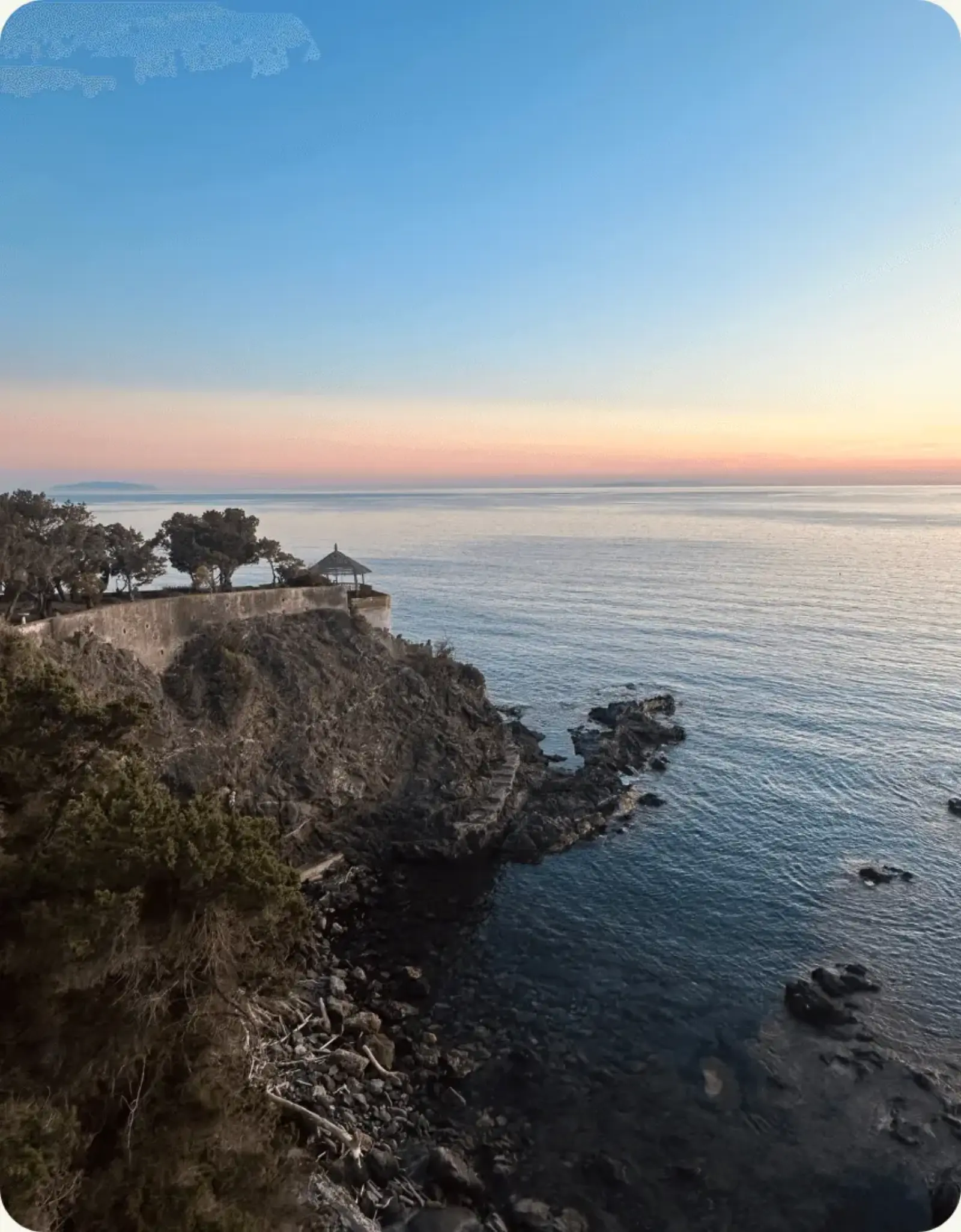
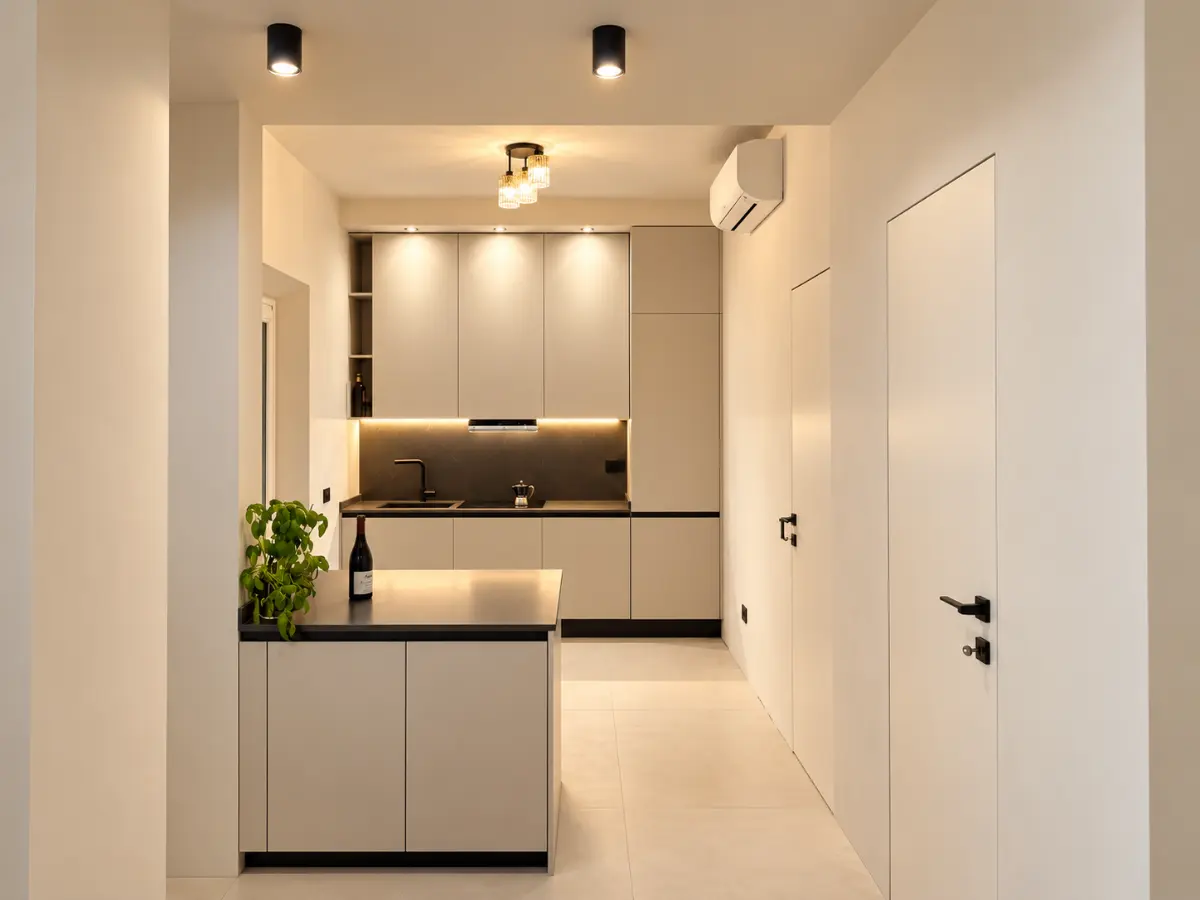
Roc Villa Bay is a private seafront estate in Castiglioncello with four bedrooms, three private units, more than 4,000 m² of Mediterranean garden and two private accesses to the sea: a sandy beach reached by a private path and a rocky cove reached by stone steps. It is a house for families and small groups, for wedding stays around a celebration held elsewhere, and for film and photo productions.
To understand the house, read the villa in Castiglioncello page or the villa page. To ask about dates, use the enquiry form.
Questions
Good to know
What are the best things to do in Tuscany?
It depends on the base. The coast rewards swimming, boat days and slow village time; the interior rewards wine, food, walking and art cities. A good week combines one or two of each rather than trying to see everything.
How many days do you need in Tuscany?
A week is a good start for one area. Trying to cover the coast, Florence, Siena and the Val d'Orcia in a few days means spending most of the time travelling. Choose a base and go deep.
Can you combine the Tuscan coast with Florence and Siena?
Yes, but a coast base is not a city base. If art cities are the centre of the trip, stay in the city and visit the coast. We do not publish driving times because they depend on route, traffic and season.
Where is Roc Villa Bay?
Roc Villa Bay is in Castiglioncello, a frazione of Rosignano Marittimo in the province of Livorno, on the Etruscan Riviera.
Stay at Roc Villa Bay
A private house
by the sea
Four bedrooms, three private units, more than 4,000 m² of Mediterranean garden and two private accesses to the sea in Castiglioncello.