
Tuscany has an unusual concentration of art cities, and an equally unusual tendency to be reduced to one of them. Florence is not Tuscany, and Tuscany is not a day trip from Florence. This guide sets out what the main cities are actually like, so you can choose one or two rather than collect them.
Florence
Florence is the capital of the region and one of the densest artistic cities in Europe. The Uffizi, the Galleria dell'Accademia, the Duomo with Brunelleschi's dome, Santa Croce, Palazzo Pitti and the Boboli Gardens are the obvious names, and they are obvious for a reason. The city is also a working Italian city, with markets, neighbourhoods and a river that is best seen at dusk from the bridges.
Florence rewards time. A single day is enough for one museum and one walk, not for the city. Book the major museums in advance and leave room for the streets.
Siena
Siena is built around Piazza del Campo, one of the great civic spaces of Italy, and the Palio is run around it twice each summer, on 2 July and 16 August. The Duomo, the Torre del Mangia and the civic museum are the other anchors. The city is medieval in its bones, and its streets follow the ridges of the hills rather than a grid.
Siena is also the gateway to the Val d'Orcia and to the wine landscapes of Montalcino and Montepulciano.
Pisa
Pisa is known for the Piazza dei Miracoli, where the Leaning Tower, the Duomo, the Baptistery and the Camposanto stand together on a green field. The square is as extraordinary as its reputation suggests, and it is also busy. Beyond it, the city has a river, a university and a centre that most visitors never see.
Lucca
Lucca is the city of walls: a complete Renaissance circuit, now a shaded promenade above the streets. Inside, the oval Piazza dell'Anfiteatro follows the shape of a Roman amphitheatre, and the Torre Guinigi carries trees on its roof. Lucca is also the birthplace of Giacomo Puccini, and music is part of its identity.
It is a gentler city than Florence, and easier to enjoy in a day.
Arezzo and Cortona
Arezzo has Piazza Grande, a sloping square used for markets and jousting, and the Basilica di San Francesco, where Piero della Francesca's fresco cycle of the True Cross is one of the defining works of the early Renaissance. Cortona, in the same province, is an Etruscan town on a hill with views across the Val di Chiana and a compact medieval centre.
San Gimignano and Volterra
San Gimignano is the town of towers, a medieval skyline preserved almost intact and now one of the most visited places in Tuscany. Go early or stay late. Volterra is a different pleasure: alabaster workshops, an Etruscan heritage, a Roman theatre and a hilltop position that feels further from the crowds than it is.
The Val d'Orcia
The Val d'Orcia, south of Siena, is a UNESCO World Heritage landscape of rolling fields, cypress roads, farmhouses and hill towns such as Pienza, Montalcino and San Quirico d'Orcia. It is beautiful in the way a painting is beautiful, and it is best seen slowly, on foot or by bicycle, rather than from a car window.
Planning honestly from the coast
A coast base is not a city base. If your trip is built around the Uffizi, stay in Florence. If it is built around the sea, visit one city as a deliberate excursion and accept that Tuscany is larger than a day trip suggests. We do not publish driving times or distances, because they depend on route, traffic and season.
If you are staying at Roc Villa Bay and want to combine the coast with a city, tell us what you have in mind and we will give you a straight answer about what fits.
Staying at Roc Villa Bay
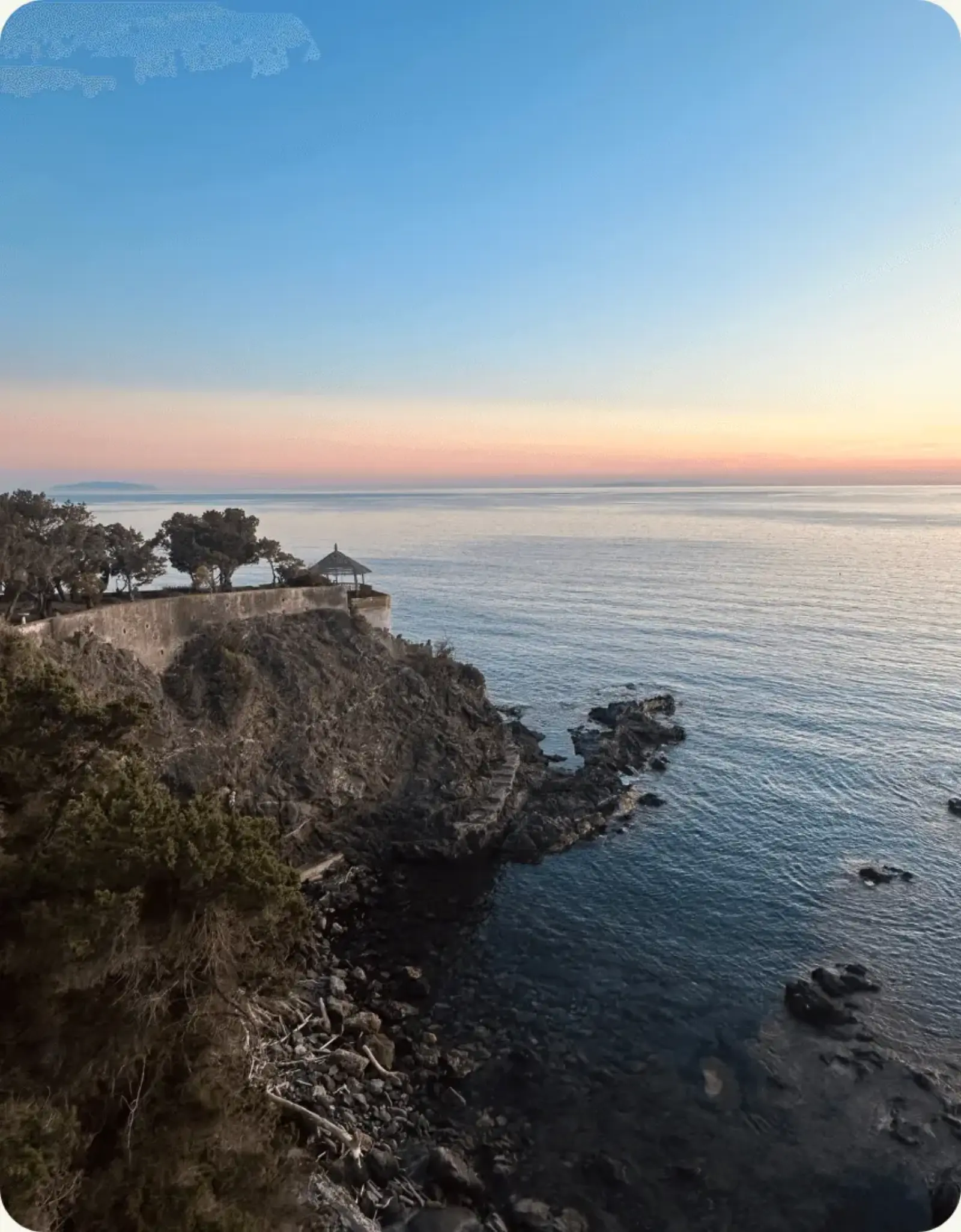
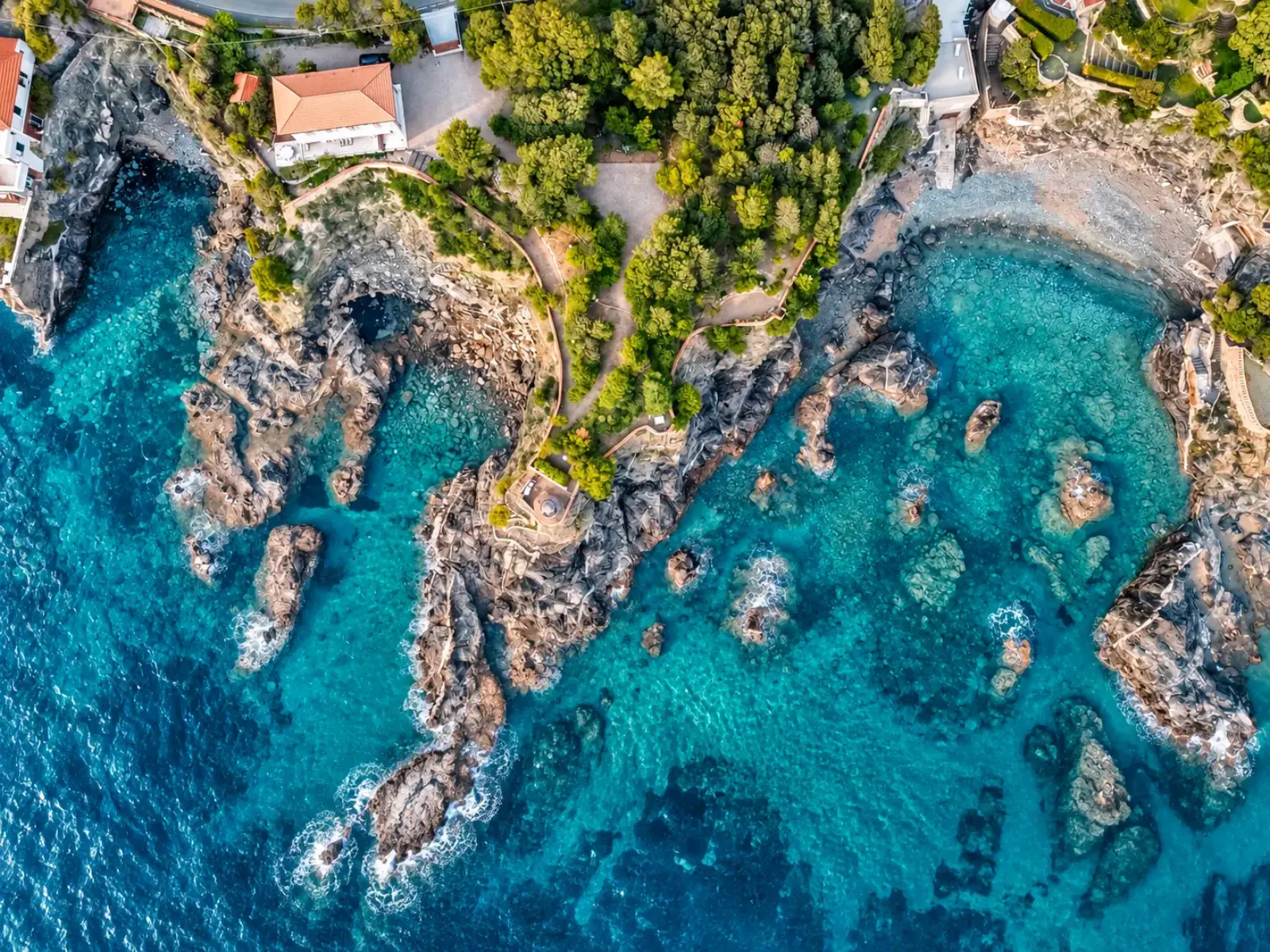
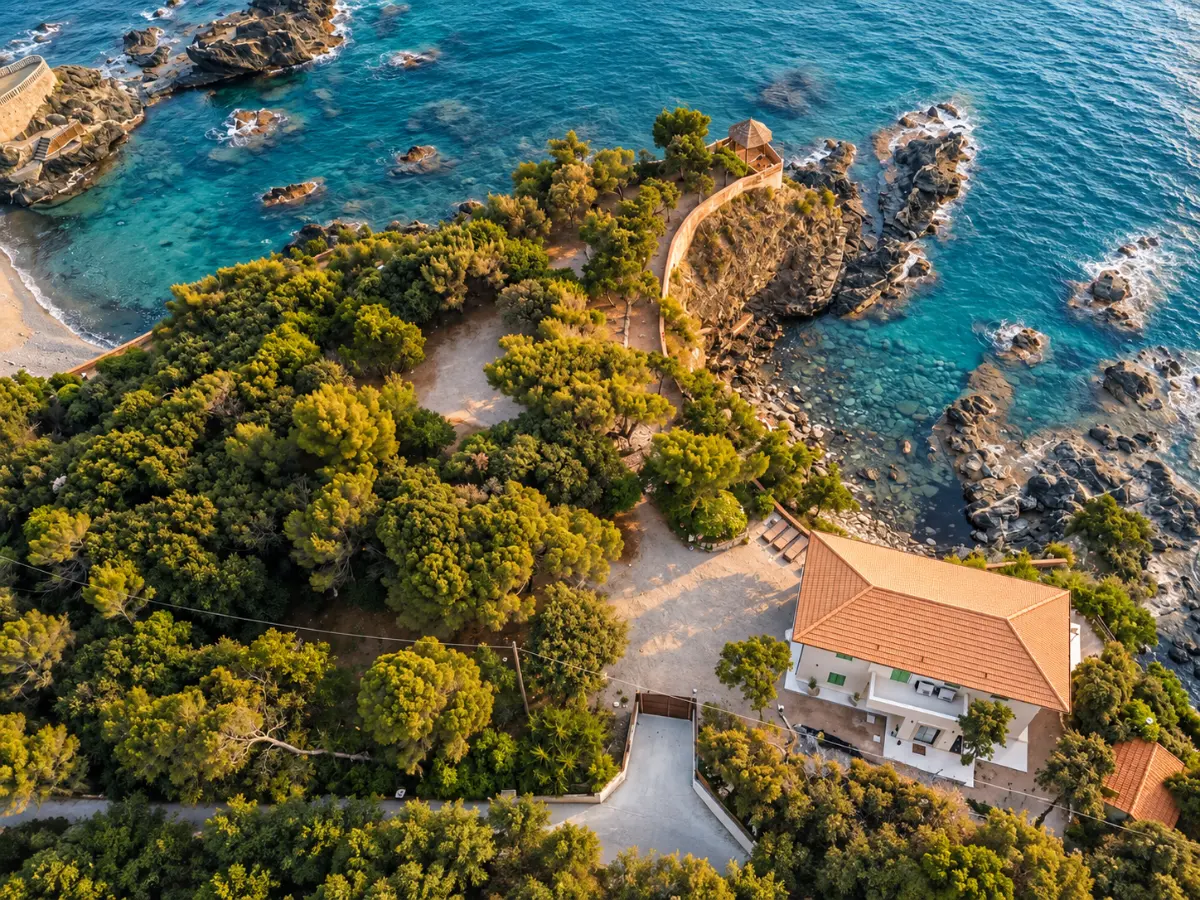
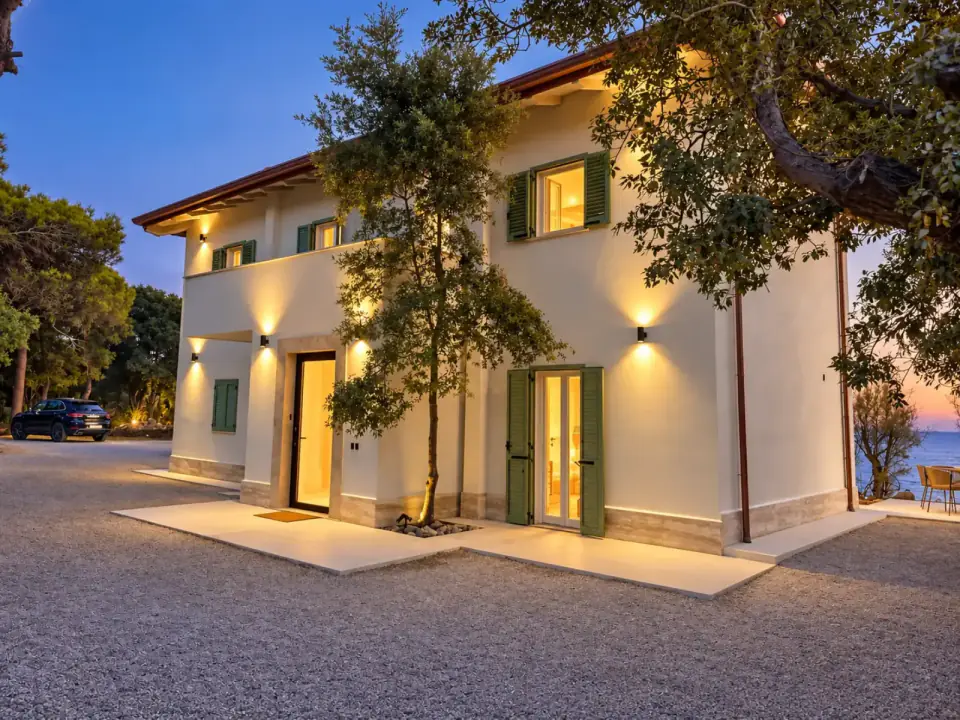
Roc Villa Bay is a private seafront estate in Castiglioncello with four bedrooms, three private units, more than 4,000 m² of Mediterranean garden and two private accesses to the sea. It is a coastal house, not a city pied-à-terre, and it is honest about the difference.
The things to do in Tuscany hub places the cities alongside wine, food, walking and the sea. To ask about dates, use the enquiry form.
Questions
Good to know
Which are the main art cities in Tuscany?
Florence, Siena, Pisa and Lucca are the best known, with Arezzo, Cortona, San Gimignano and Volterra offering major works in smaller settings.
Can you visit Florence from the Tuscan coast?
It is possible, but a coast base is not a city base. If Florence is the centre of your trip, stay in Florence and visit the coast. We do not publish driving times.
How long do you need in Florence?
A single day is enough for one museum and one walk, not for the city. Book the major museums in advance and leave room for the streets.
What is the Val d'Orcia known for?
It is a UNESCO World Heritage landscape of rolling fields, cypress roads, farmhouses and hill towns such as Pienza, Montalcino and San Quirico d'Orcia.
Stay at Roc Villa Bay
A private house
by the sea
Four bedrooms, three private units, more than 4,000 m² of Mediterranean garden and two private accesses to the sea in Castiglioncello.