
Tuscan food is not a restaurant menu. It is a way of using what a place produces: bread, beans, olive oil, vegetables, herbs, cheese, game and fish. The cooking is direct because the ingredients are good, and the best meals are often the simplest.
This guide follows the pantry rather than a list of addresses. Restaurants change; the logic of the food does not.
Bread, oil and the Tuscan pantry
Tuscan bread is unsalted, a fact that surprises visitors and explains a whole family of dishes. Stale bread becomes ribollita, a thick soup of bread, beans and vegetables; pappa al pomodoro, a tomato and bread soup; or panzanella, a summer salad of bread, tomato, onion, basil and oil. These are not frugal substitutes. They are the region's signature.
Extra virgin olive oil is the other constant. The harvest runs from autumn into early winter, and fresh oil is peppery, green and alive in a way that supermarket oil rarely is. If you are here in the right season, taste it at a mill.
Pasta, made by hand
Pici is a thick, hand-rolled pasta from the south of Tuscany, often served with garlic, breadcrumbs or a meat sauce. Pappardelle with hare or wild boar belongs to the hills. In the north, the cooking leans towards ricotta and spinach in baked pasta. The common thread is patience: these are dishes made from flour, eggs and time.
Meat and the countryside
Bistecca alla fiorentina is the most famous Tuscan meat dish: a thick T-bone steak, cooked quickly over high heat and served rare. It is a dish for a group, not a solo order. The countryside also gives cinghiale (wild boar), porchetta, rabbit and chicken cooked with herbs.
The sea
On the coast, the cooking turns to fish. Cacciucco is Livorno's fish stew, made with the catch of the day and served over bread. Baccalà alla livornese is salt cod cooked with tomato, olives and capers. Along the Etruscan Riviera, the menu follows the boats: anchovies, sardines, mullet, squid and shellfish.
Castiglioncello is a village, not a fish port, so the fish arrives from the wider Livorno coast. Ask what is local that day rather than assuming.
Cheese, salumi and the hills
Pecorino is the Tuscan cheese par excellence, made from sheep's milk and sold at every stage from fresh to aged. Pecorino di Pienza, from the Val d'Orcia, is one of the best known. Prosciutto and salumi from the hills are worth seeking out, as are the cured meats of the Mugello and the Casentino.
Truffles and mushrooms
Autumn is the season for porcini and for truffles. San Miniato, in the province of Pisa, is known for its white truffle; the Mugello and the Casentino are also truffle country. Truffle dishes are usually simple: tagliolini, eggs, or a few shavings on something warm. If a menu promises truffle out of season, ask what it is.
Markets, cooking and learning
The best food experience in Tuscany is a market in the morning and a kitchen in the afternoon. Markets reward an early start, and a cooking class turns a handful of ingredients into a skill you take home. We do not publish a list of classes or chefs, because quality and availability vary; ask us when you are staying and we will tell you what we would choose.
Dietary needs
Tuscan cooking is naturally generous with vegetables, beans and olive oil, which makes it easier than many cuisines for vegetarian guests. Gluten-free and other needs are best discussed in advance, both with us and with any restaurant or class you book. Do not assume that a dish is free of an ingredient because it sounds simple.
Staying at Roc Villa Bay
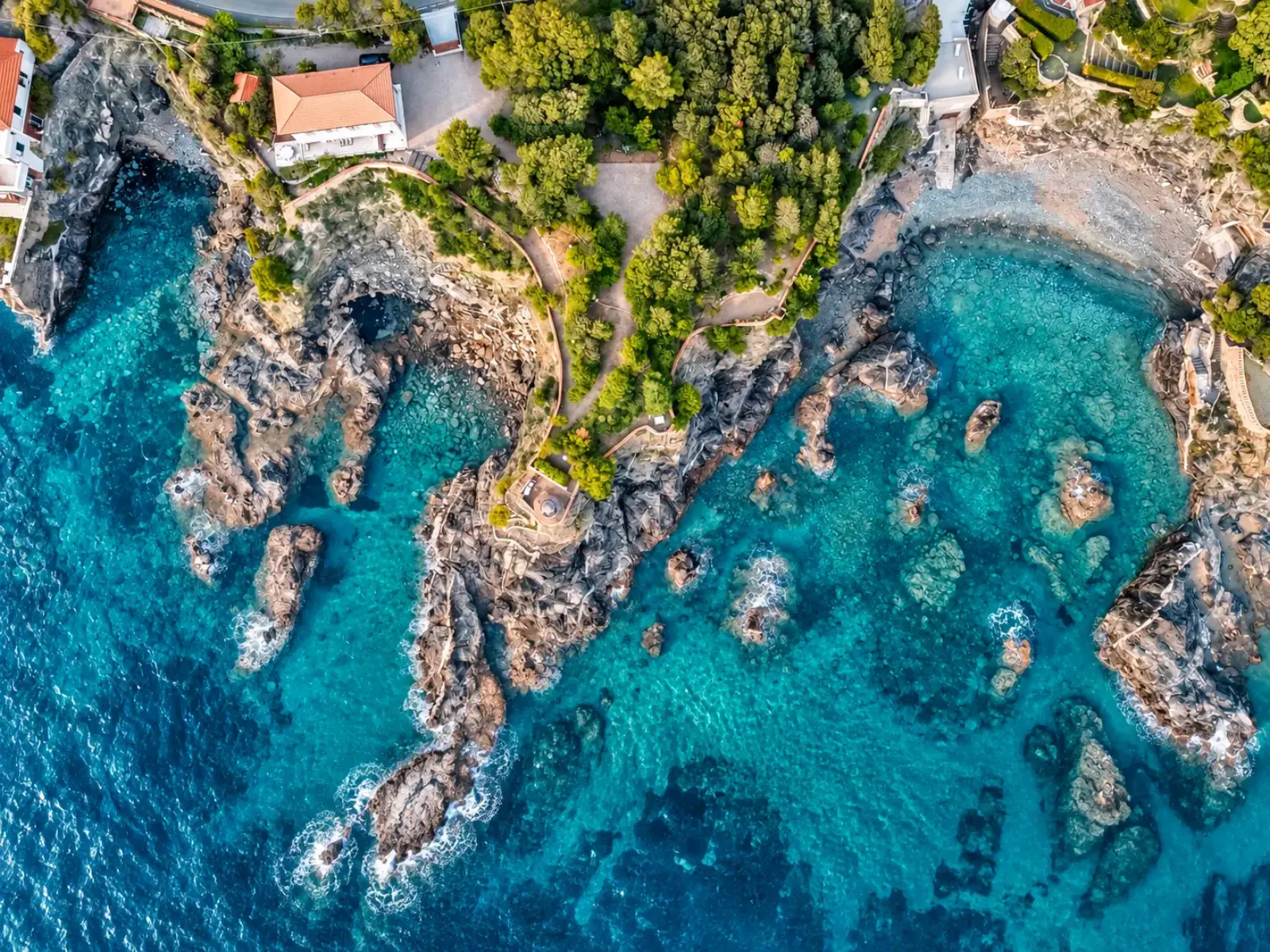
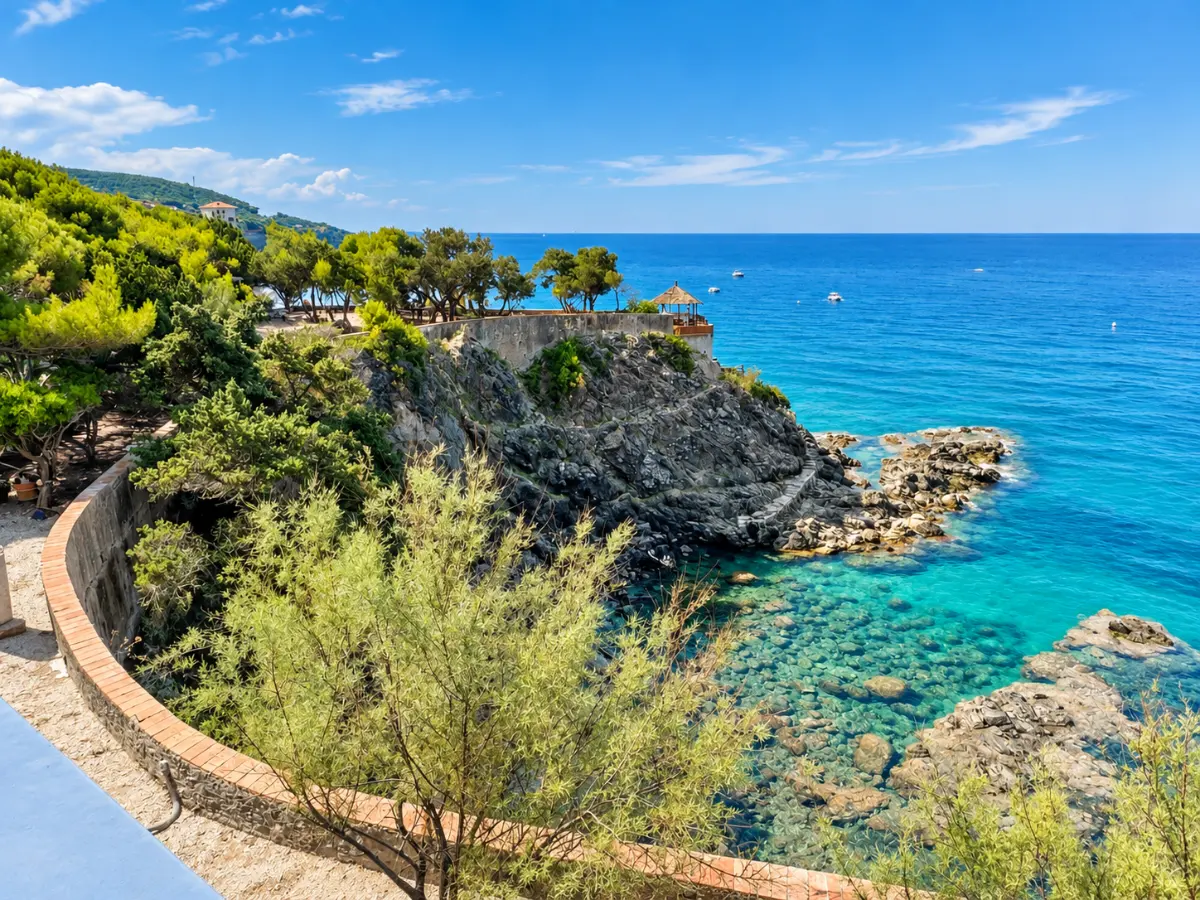
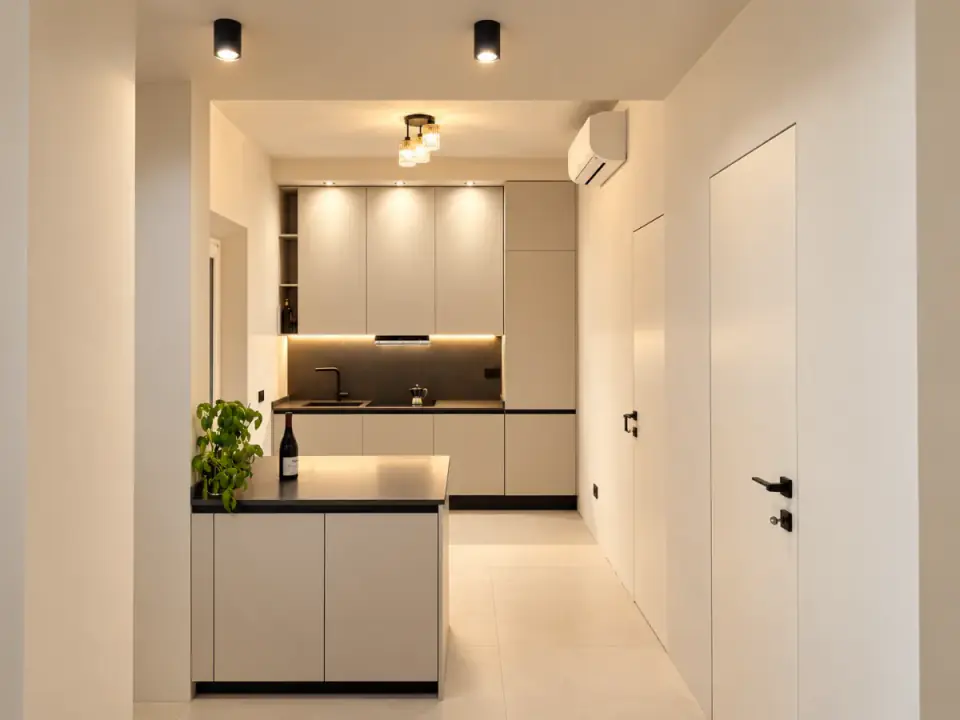
Roc Villa Bay is a private seafront estate in Castiglioncello with four bedrooms, three private units, more than 4,000 m² of Mediterranean garden and two private accesses to the sea. The kitchen is part of the house, and the village has the shops a stay needs. The villa in Castiglioncello page describes the house.
For the wider picture, the things to do in Tuscany hub places food alongside wine, art and the coast. To ask about dates, use the enquiry form.
Questions
Good to know
What food is Tuscany known for?
Ribollita, pappa al pomodoro, panzanella, pici, bistecca alla fiorentina, pecorino, olive oil and, on the coast, fish stews such as cacciucco.
Are there cooking classes in Tuscany?
Yes, in cities, villages and farmhouses. Quality and availability vary, so ask for a recommendation for your dates rather than relying on an old list.
Is Tuscan food good for vegetarians?
Tuscan cooking uses beans, vegetables, bread and olive oil generously, so it is easier than many cuisines. Tell restaurants in advance and do not assume a dish is free of an ingredient.
Where can you buy olive oil in Tuscany?
At mills, farms and markets, especially in autumn and early winter when the new oil arrives. Taste before buying and ask when it was pressed.
Stay at Roc Villa Bay
A private house
by the sea
Four bedrooms, three private units, more than 4,000 m² of Mediterranean garden and two private accesses to the sea in Castiglioncello.