
Chianti Classico is the historic wine zone between Florence and Siena, the landscape of hills, cypresses, stone villages and Sangiovese. It is not on the coast, but it is the wine region most travellers pair with Florence, and it belongs in any honest map of Tuscan wine.
The zone is large and densely planted: there are hundreds of producers, from small family estates to historic houses. This page explains the denomination and points to the consortium's complete roll. It does not pretend to list every winery individually, because a list of that length would be a directory rather than a guide.
The denomination
Chianti Classico is a DOCG, the highest Italian classification for wine. The consortium that protects it was founded in 1924, and its symbol is the Black Rooster (Gallo Nero). The production zone lies in the provinces of Florence and Siena, between the two cities.
The wines are based on Sangiovese, which must make up the great majority of the blend. The ordinary annata is the wine to drink young; Riserva is aged longer; Gran Selezione, introduced in 2014, is the top tier, made from estate grapes and aged for longer before release. The styles range from bright and red-fruited to dense and structured, depending on the site and the vintage.
The landscape
Chianti Classico is a hilly landscape of galestro and alberese soils, woods, olives and vineyards. The villages are small and stone-built: Greve in Chianti, Castellina in Chianti, Radda in Chianti, Gaiole in Chianti and Panzano are the names most travellers learn. Each has a different character, and the roads between them are part of the pleasure.
The Strada Chiantigiana, the old road from Florence to Siena, runs through the heart of the zone. It is slower than the motorway and far more interesting. Drive it if you have the time, but decide who is driving before the tastings begin.
Estates to know
These are some of the historic names and respected producers in the zone. The list is a starting point, not a ranking, and it is far from complete.
- Barone Ricasoli — Castello di Brolio, Gaiole in Chianti. One of the historic estates of Chianti, with a castle and a long winemaking history.
- Castello di Ama, Gaiole in Chianti. An estate known for its wines and its contemporary art collection.
- Castello di Fonterutoli — Mazzei, Castellina in Chianti. A historic family estate with a wide range of wines.
- Castello di Volpaia, Radda in Chianti. A village estate with a restored historic centre.
- Fattoria di Fèlsina, Castelnuovo Berardenga. A reference point for Sangiovese in the southern part of the zone.
- Fontodi, Panzano in Chianti. A family estate known for its Chianti Classico and its olive oil.
- Isole e Olena, Barberino Tavarnelle. A historic estate in the western part of the zone.
- Querciabella, Greve in Chianti. An estate with a strong organic and biodynamic approach.
- Ruffino, with estates in the Chianti area. One of the historic houses of Tuscan wine.
- San Felice, Castelnuovo Berardenga. An estate with a long history and a broad range.
- Badia a Coltibuono, Gaiole in Chianti. A former abbey with a historic wine tradition.
- Monteraponi, Radda in Chianti. A small estate known for traditional Sangiovese.
- Riecine, Gaiole in Chianti. A small estate with a focused range.
- Tenuta di Nozzole — Folonari, Greve in Chianti. A historic estate with a hospitality programme.
How visits work
Most estates receive visitors by appointment. Some have formal tours and tasting rooms; others are working farms with limited availability. The Consorzio Vino Chianti Classico publishes the official roll of producers and can help you find estates that welcome visitors.
We do not publish hours, prices or availability. Write directly, say how many people you are, and book early in spring and autumn. The guide to winery visits explains the practical side.
Florence and the coast
Chianti Classico is a day trip from Florence, not from the coast. If you are staying at Roc Villa Bay in Castiglioncello, the zone is a long day out rather than a casual afternoon; if you want wine and the sea in the same week, Bolgheri, Bibbona and Suvereto are the closer options.
The Florence guide explains the city; the villas near Chianti page is honest about where Roc Villa Bay is. For a coastal wine base, see the Tuscan coast wineries hub.
Questions
Good to know
What is Chianti Classico?
A DOCG wine zone between Florence and Siena, based mainly on Sangiovese and symbolised by the Black Rooster.
When was the consortium founded?
The Consorzio Vino Chianti Classico was founded in 1924.
What is Gran Selezione?
The top tier of Chianti Classico, introduced in 2014, made from estate grapes and aged longer before release.
Is Chianti Classico near the coast?
No. It is inland, between Florence and Siena. From the coast it is a long day out rather than a casual afternoon.
Stay at Roc Villa Bay
A private house
by the sea
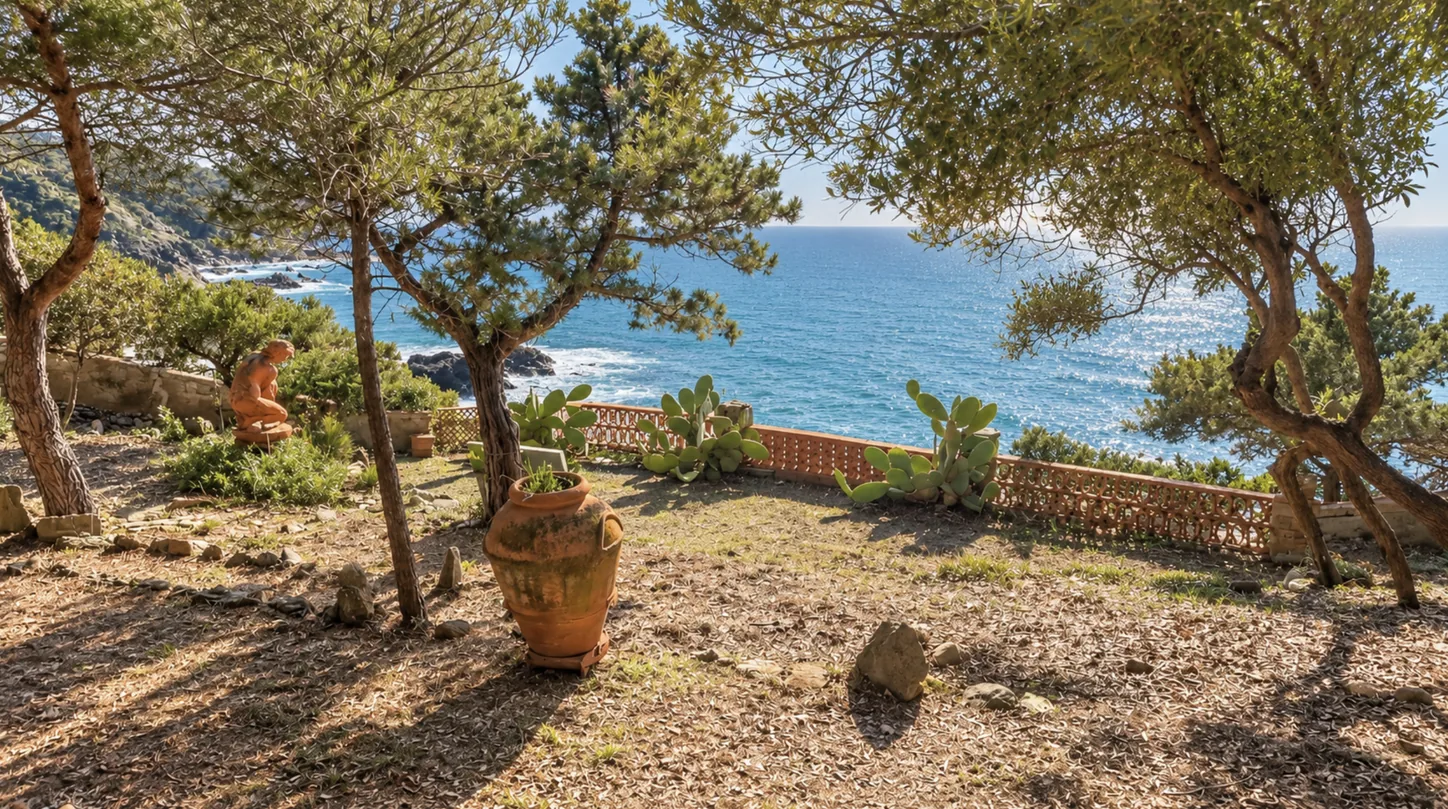
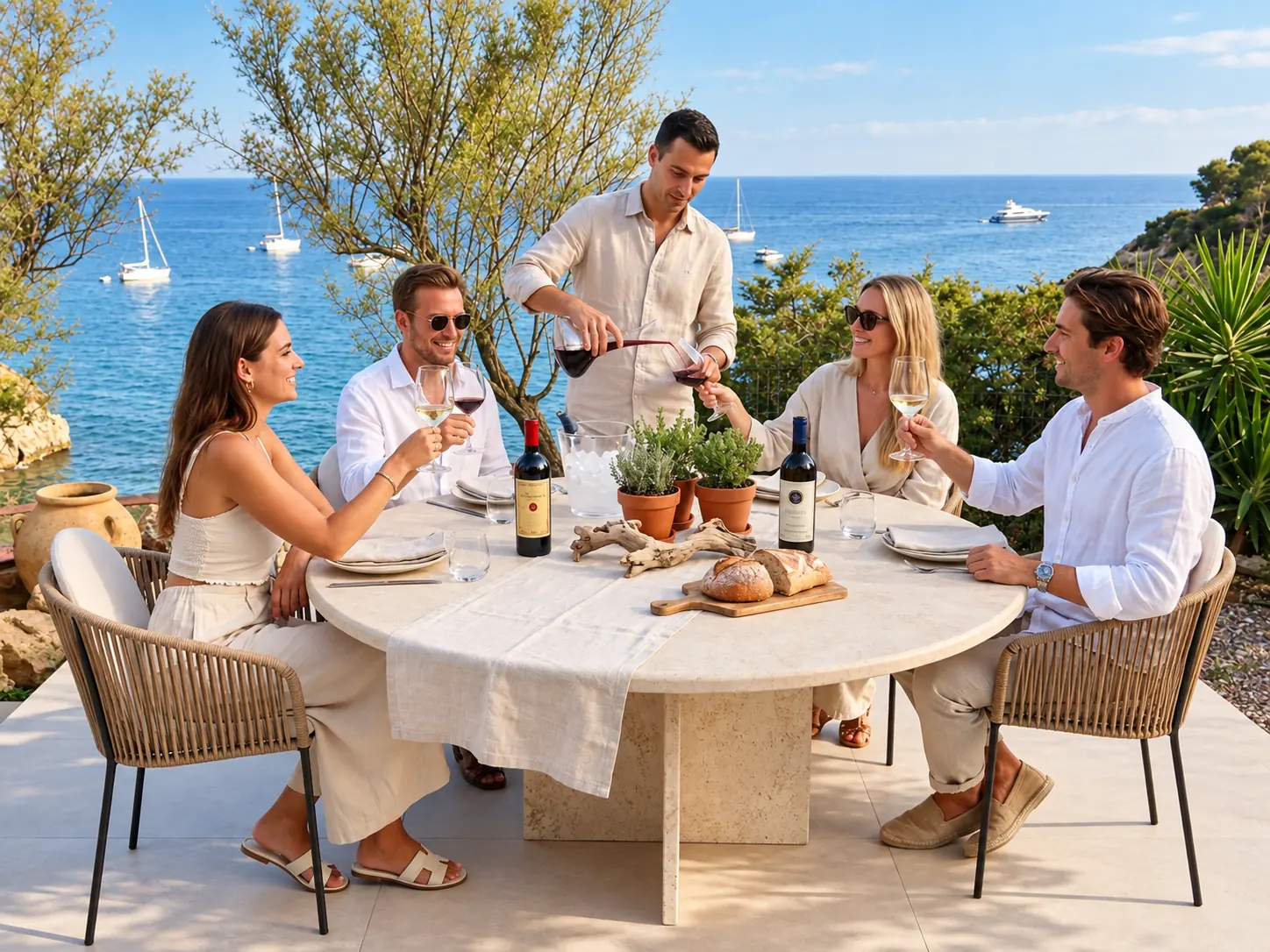
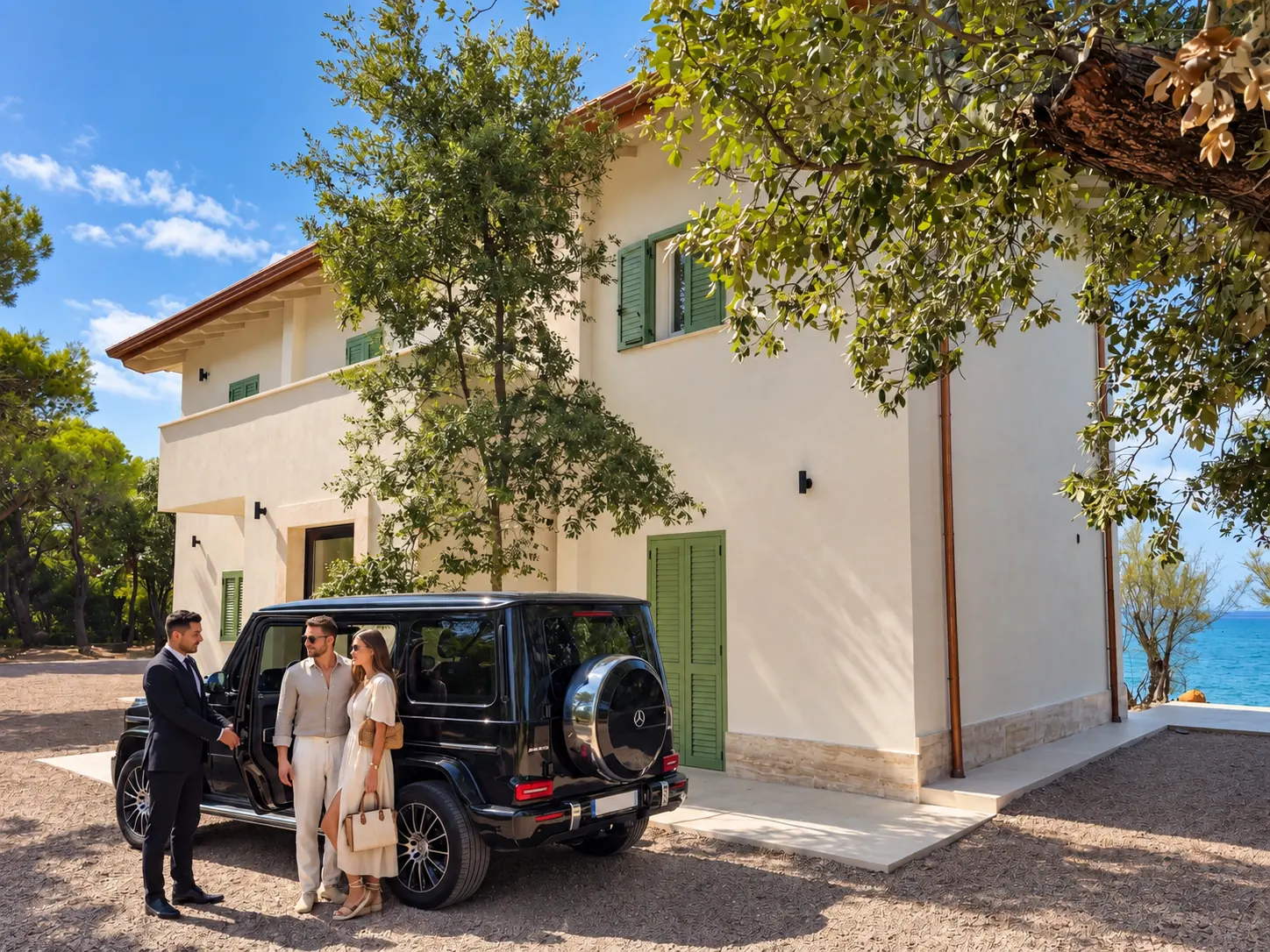
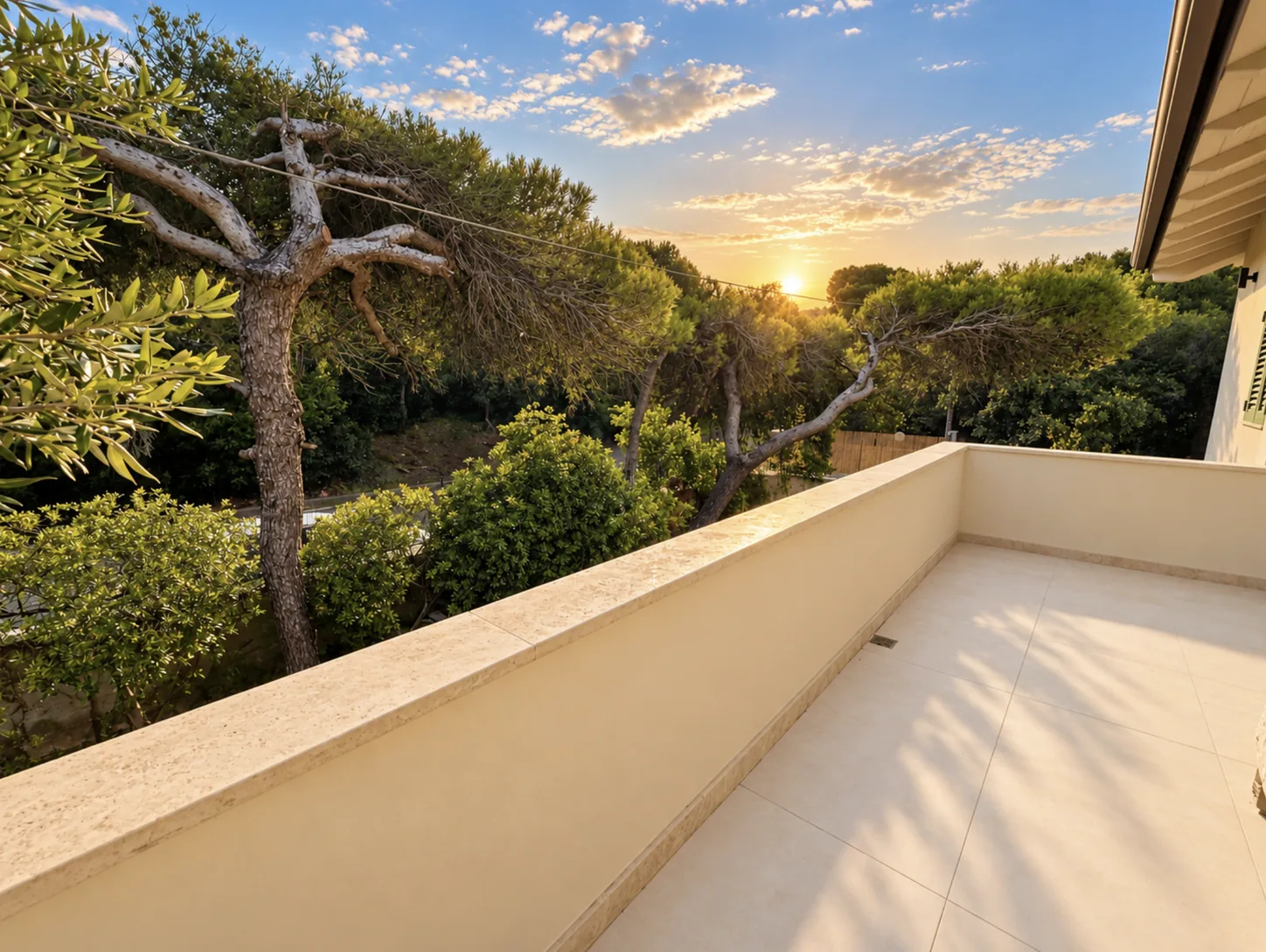
Four bedrooms, three private units, more than 4,000 m² of Mediterranean garden and two private accesses to the sea in Castiglioncello.