
A winery visit in Tuscany is not a theme-park attraction. It is a working estate opening its door for an hour or two, and the quality of the visit depends on the match between what you want and what the estate can offer. This guide explains how bookings work, what to ask, and how to build a wine day that does not end in a rushed, blurry afternoon.
Book directly, and book early
Most estates receive visitors by appointment. Some have online booking; others prefer email or a phone call. Write in the language you are comfortable with, say how many people you are, and ask what the visit includes. Spring, autumn and harvest are the busiest periods, so book well ahead.
Do not assume that a famous name is open, or that a small estate is closed. The opposite is often true: the smallest estates may be the most personal, and the largest may have the most structured hospitality. The only way to know is to ask.
Decide who is driving
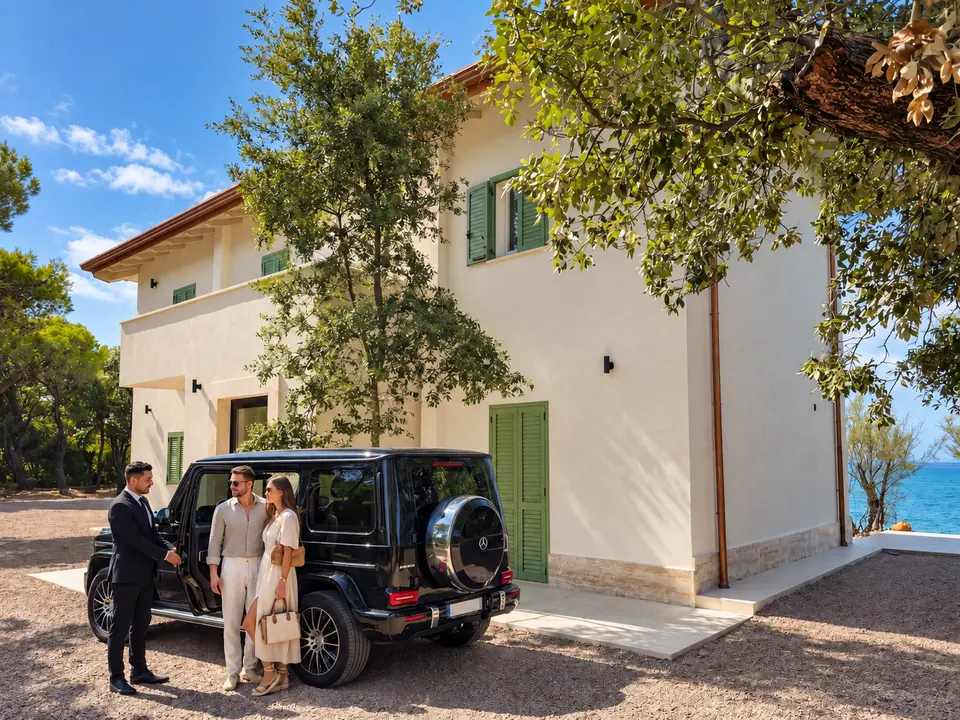
This is the first practical decision of any wine day. The roads between estates are narrow, the tastings are generous, and Italian drink-driving rules are strict. Choose a designated driver before the first glass, or book a driver or a guided tour for the day. A driver is not a luxury on a wine day; it is the difference between a good memory and a bad one.
If you are a group, a minivan with a driver is often simpler than two cars. If you are a couple, a private driver for the day is the comfortable option. We do not publish prices; ask the estate or your host for a recommendation.
What a visit can include
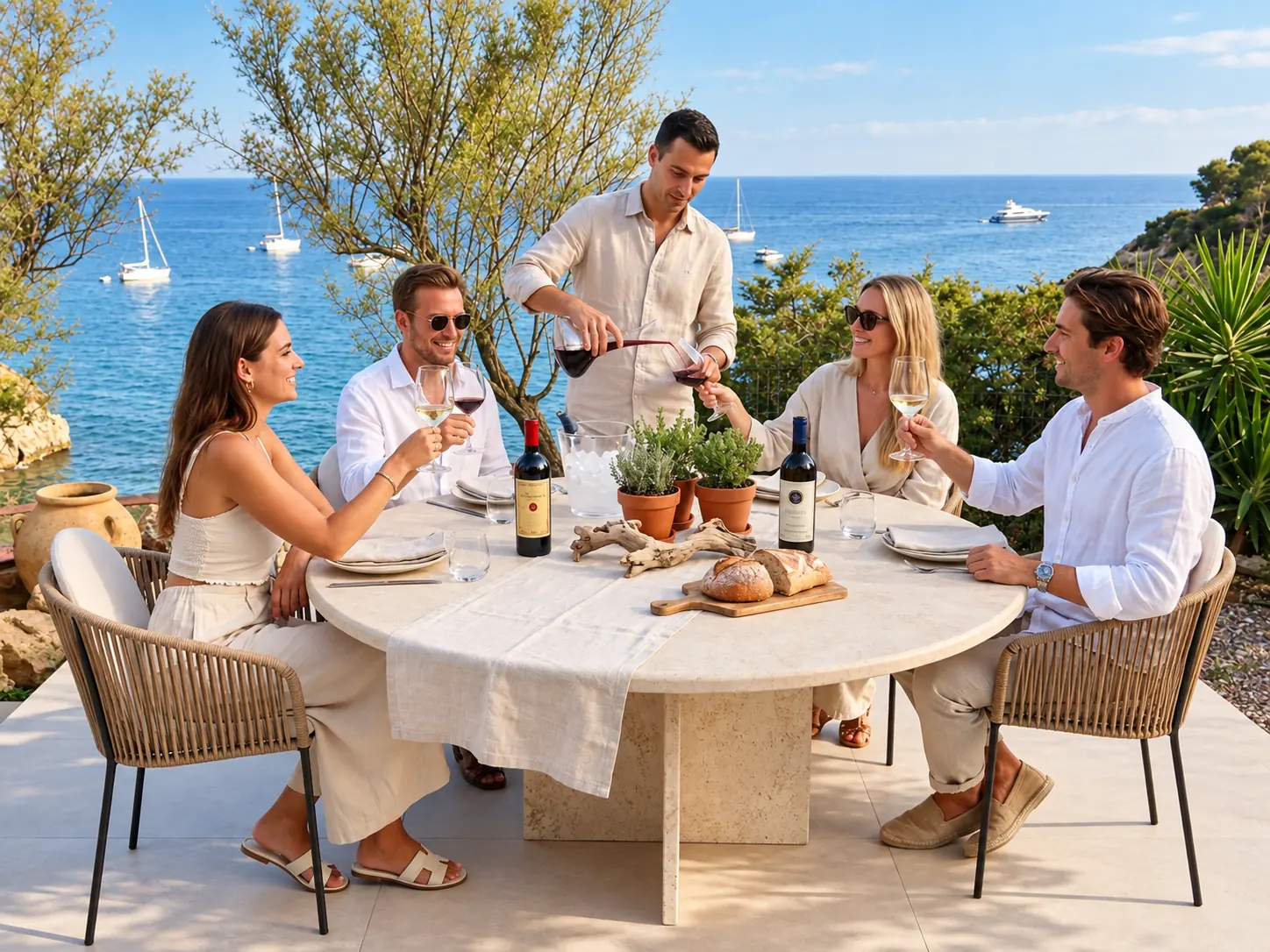
Visits vary widely. A typical visit may include a walk in the vineyards, a tour of the cellar and a seated tasting of three to five wines. Some estates add a museum, an art collection, a vertical tasting of older vintages or a meal. Others offer only a tasting, with no tour. Ask what is included before you book, and say if you have a particular interest: the vineyards, the cellar, a single grape or a specific vintage.
If you are travelling with children, ask whether the estate can accommodate them. Some welcome families; others prefer adults only. If you are travelling with a dog, ask in advance; the answer depends on the estate and on the areas of the property you will visit.
How many estates in a day
Two or three, not six. A good visit takes an hour or more, and the drive between estates is part of the day. Rushing from one tasting to the next flattens the wines into a blur and makes the conversations impossible. Choose estates that are close together, or accept that the day is a drive as well as a tasting.
In Bolgheri, the estates are close enough that two or three make a comfortable day. In the Maremma, the distances are longer; two estates are enough. In Chianti, the hills and the winding roads make a two-estate day sensible.
What to ask
- What does the visit include: vineyards, cellar, museum, tasting, meal?
- How many wines are poured, and which ones?
- Is the visit private or shared with other guests?
- How long does it last, and how much walking is involved?
- Is the estate accessible for anyone in your group with limited mobility?
- Are children welcome? Are dogs allowed?
- What should we wear? The cellar is cool and the paths can be uneven.
- Can we buy wine at the estate, and can it be shipped?
We do not publish the answers for each estate, because they change. The estate's own reply is the reliable source.
Etiquette
Arrive on time. Turn up with the number of people you booked. Spit if you are tasting seriously; it is normal and no one will be offended. Ask before taking photographs inside the cellar. Do not treat the winery as a bar: the person pouring is usually the person who made the wine, or the owner, and the visit is a conversation.
If you have to cancel, tell the estate as early as you can. Small wineries plan their day around bookings, and a no-show is a real cost.
When to go
Spring and autumn are the best seasons: the weather is mild, the vineyards are beautiful and the estates are busy but not overwhelmed. Harvest, from roughly September to October, is the most atmospheric period, but it is also the busiest and the least predictable: the estate may be working late and the visit may be shorter.
Summer is hot in the middle of the day. Book a morning visit and leave the afternoon for shade or the sea. Winter is quiet; some estates close, but the ones that stay open offer a more personal experience.
The directories
Start with the region you are staying in. The Tuscan coast wineries hub links to Bolgheri, Bibbona, Castagneto Carducci, Suvereto and the Maremma. The Chianti Classico guide covers the hills between Florence and Siena. The winery restaurants guide explains which estates serve a real meal.
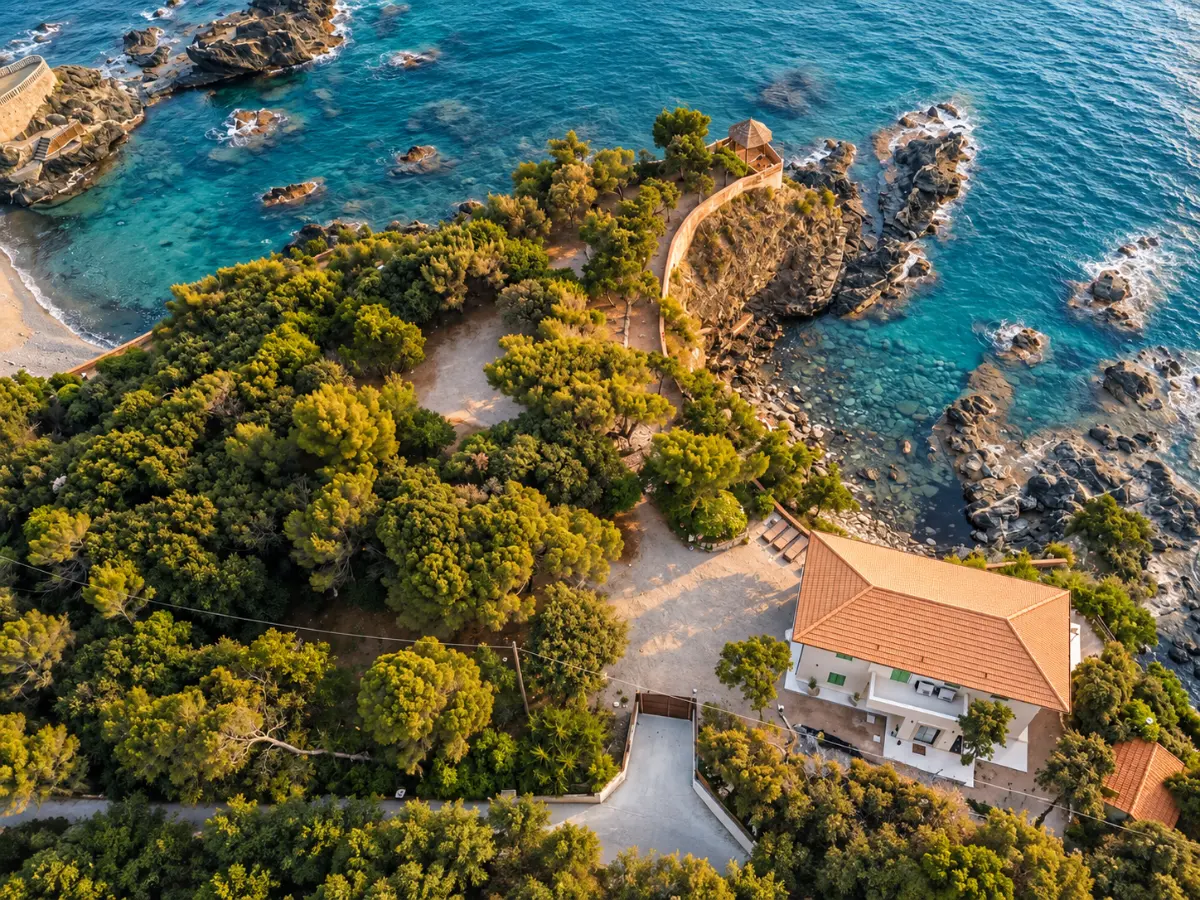
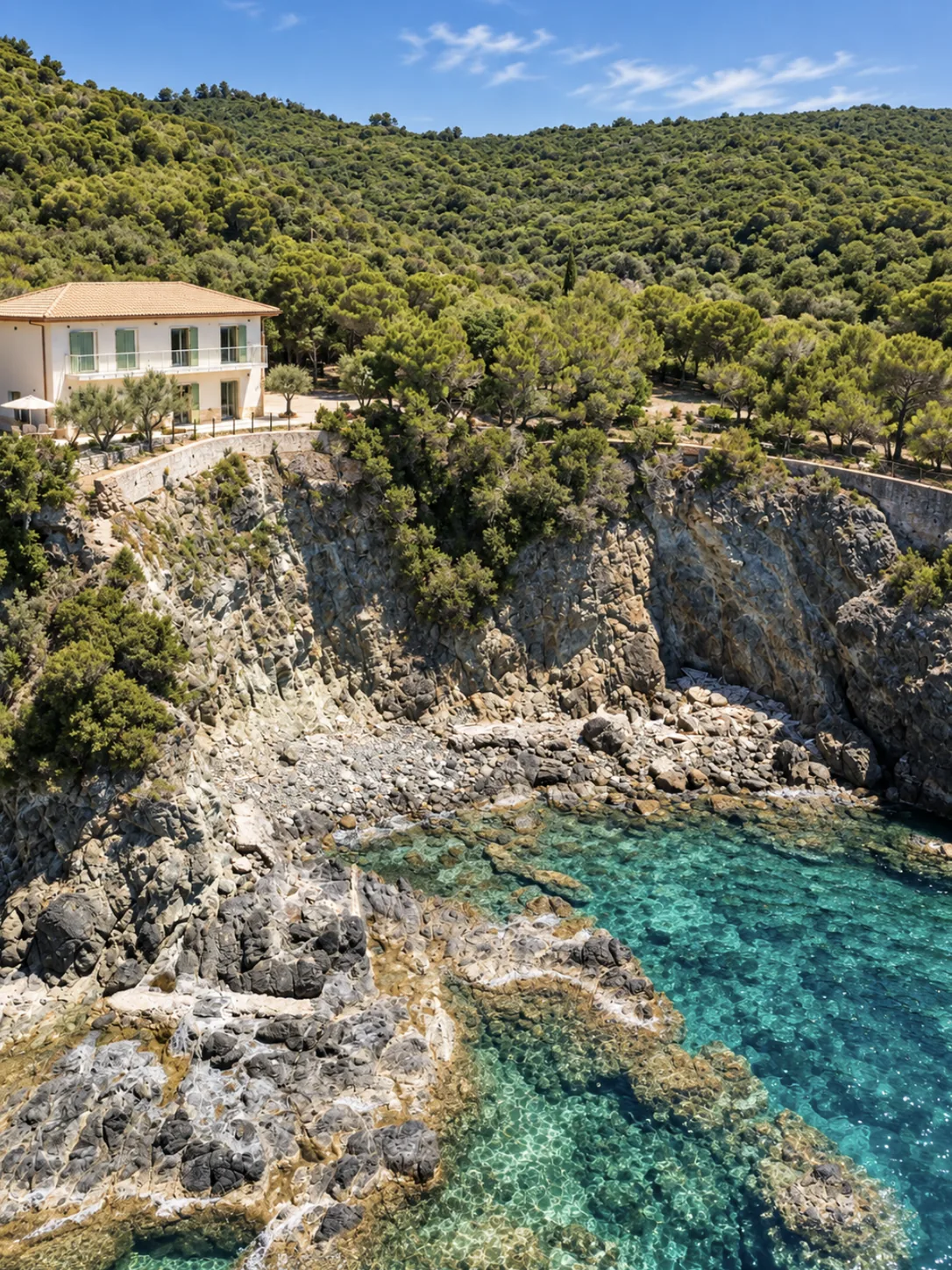
If you are staying at Roc Villa Bay, the where to stay guide explains how the wine country fits with a coastal base. For dates at the villa, use the enquiry form.
Questions
Good to know
Do you need to book a winery visit in Tuscany?
Yes. Most estates receive visitors by appointment, and the best ones are booked well ahead in spring and autumn.
How many wineries can you visit in a day?
Two or three. More than that turns the day into a blur and makes the conversations impossible.
Do you need a driver?
For a wine day, yes, or a designated driver. The roads are narrow and the tastings are generous.
Can you visit with children?
Ask the estate. Some welcome families; others prefer adults only. The answer depends on the winery and the visit.
Stay at Roc Villa Bay
A private house
by the sea
Four bedrooms, three private units, more than 4,000 m² of Mediterranean garden and two private accesses to the sea in Castiglioncello.