
Tuscan coastal cooking is not a cuisine of invention. It is a cuisine of good ingredients and few gestures: fish from the Tyrrhenian, olive oil from the hills behind the coast, bread, beans, vegetables, herbs and a grill. The sea adds salt and variety; the countryside adds oil and patience. Understanding that is more useful than memorising a list of restaurants.
This guide explains what to order, how a Tuscan meal runs, and how to eat well without trusting a list we cannot verify.
The dishes that define this coast
Cacciucco is the signature dish of Livorno: a fish stew with tomato, garlic, herbs and bread, made with several kinds of fish and shellfish. Every family and every restaurant has its own version, and the argument about the correct recipe is part of the pleasure. It is a serious dish, not a soup of leftovers.
Triglie alla livornese is red mullet cooked with tomato, garlic and herbs, a simple preparation that depends entirely on the fish. Baccalà alla livornese is salt cod with tomato, olives and capers, a reminder that this coast has traded across the Mediterranean for centuries. Torta di ceci, a thin chickpea flatbread, is a Livorno street food with a long history.
Inland and on the tables of the coast, panzanella turns stale bread into a salad with tomato, onion, basil and oil; ribollita is a winter soup of bread, beans and greens; pici is the thick hand-rolled pasta of southern Tuscany. Schiacciata, the local flatbread, is what you buy for the beach. Cantucci with vin santo is the ending.
How a Tuscan meal runs
A full meal can be antipasto, primo, secondo, contorno and dolce. You do not have to order all of them. Two courses are normal, and a shared antipasto plus a primo is often enough for lunch. The coperto is a cover charge for bread and service, not a tip; it is normal in many restaurants. Tipping is not obligatory; rounding up is common and appreciated.
House wine is usually honest and local. If you want to understand the coast's wine, start with Bolgheri, the DOC created in 1994 for Cabernet Sauvignon, Cabernet Franc, Merlot and Syrah reds and Vermentino whites. The Bolgheri guide explains the estates; the wine guide widens the map.
Reading a menu without guessing
- Pescato del giorno means the catch of the day. Ask what it is and how it is priced before you order.
- All'occhio or a peso means sold by weight. The final price can be higher than you expect; ask for an estimate.
- Fresco and surgelato are not the same. In a port town, fresh fish is a reasonable expectation, but ask.
- Fuori menu dishes are often the best and the most expensive. Ask the price.
- Coperto is the cover charge, not a service charge. Check the bill if it is unusual.
Markets, bakeries and the beach
The weekly market is a better introduction to the coast than any restaurant list. Every town has one; the days vary. Buy tomatoes, peaches, cheese, bread and olives, and take them back to the house for lunch. A bakery in the morning and a fish shop in the port are the two habits that make a coastal stay feel local.
We do not publish market days or opening hours, because they change by season and by town. Ask in the village or ask us when you are staying.
Dietary needs
Italian kitchens are usually helpful with vegetarian requests, and gluten-free awareness has improved, but it is not universal. If you have a serious allergy, say so clearly, ask about cross-contamination, and choose places that understand the question. A private chef at the house is often the calmest solution for a group with mixed needs: the kitchen is yours, and the menu can be agreed in advance.
Eating at the house
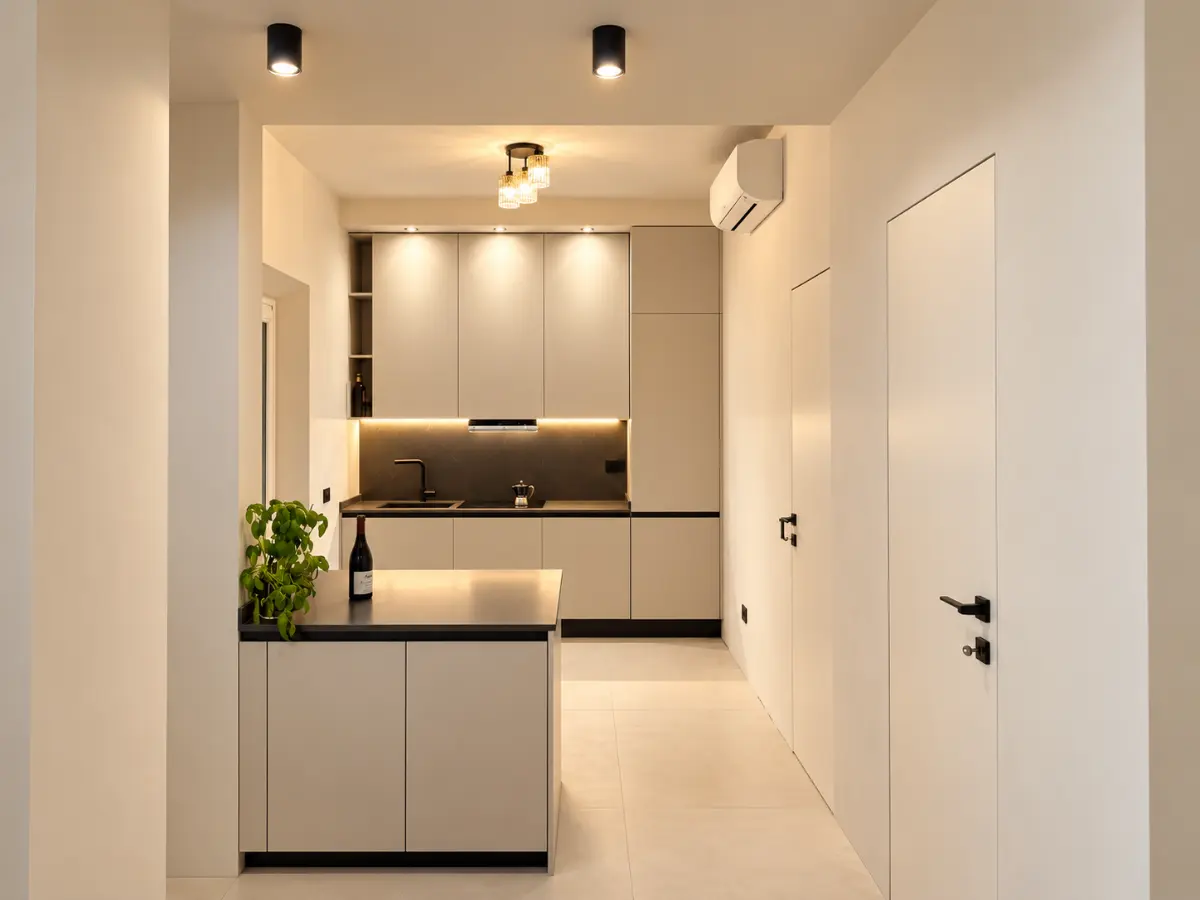
Roc Villa Bay has a kitchen and a garden, and the coast has the ingredients. If you want someone else to cook, the private chef service brings a chef into the house; in-villa dining covers breakfast, lunch and delivery; the cooking class turns the market into a lesson. These are arranged on request and confirmed in writing.
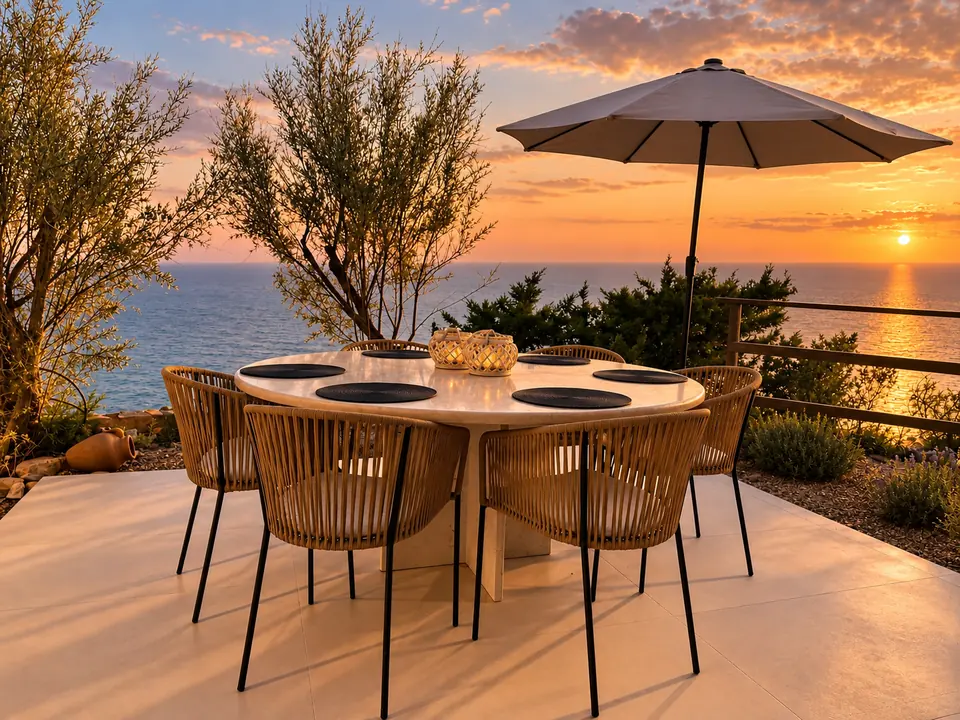
For a group, a long table under the pines with a chef and a few bottles of Bolgheri is often a better evening than a restaurant. The group guide explains how the house works for a full table.
Restaurants, honestly
We do not publish a list of restaurants. They change, they close, they change hands, and a list that is wrong is worse than no list. Ask us when you are here and we will tell you what we would choose that week, or ask your host in the village. A recommendation from someone who ate there last week is worth more than a page written last year.
Staying at Roc Villa Bay
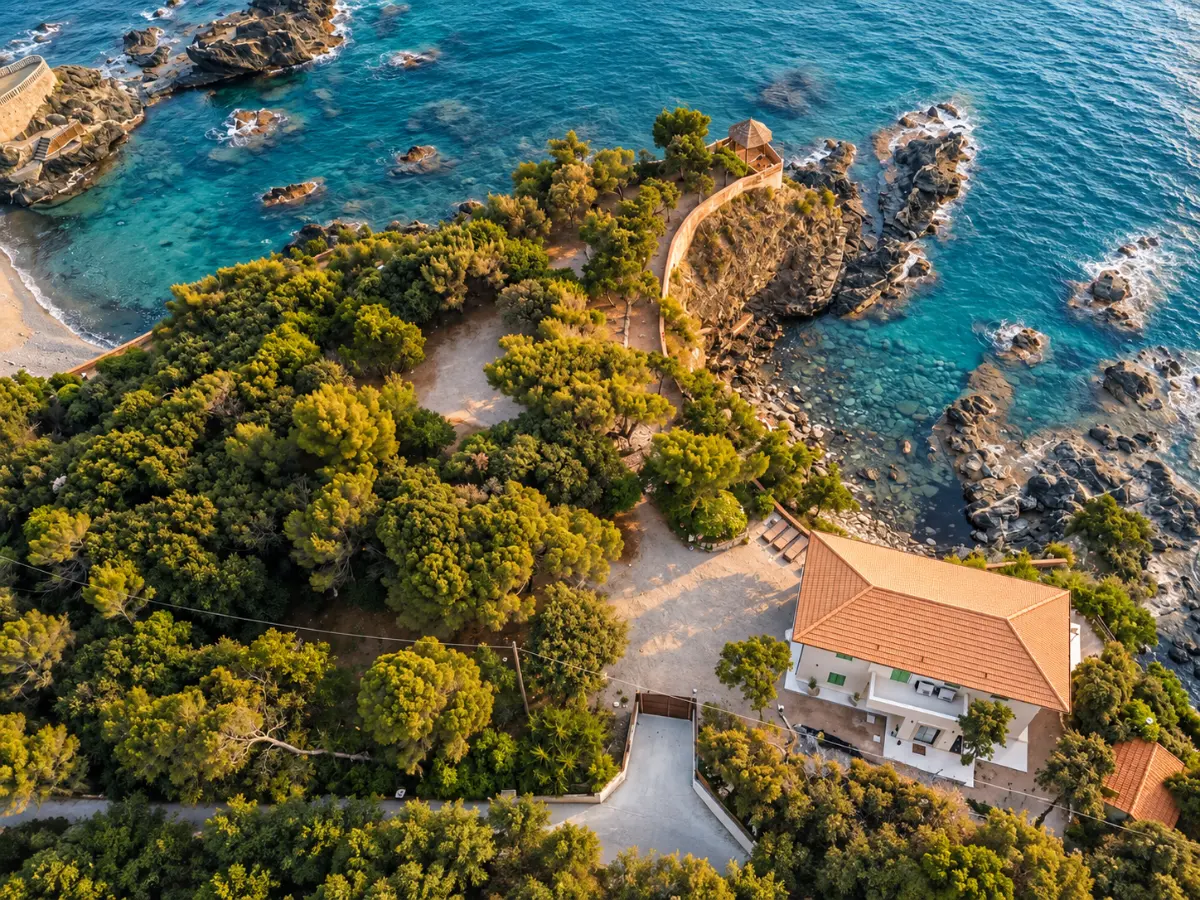
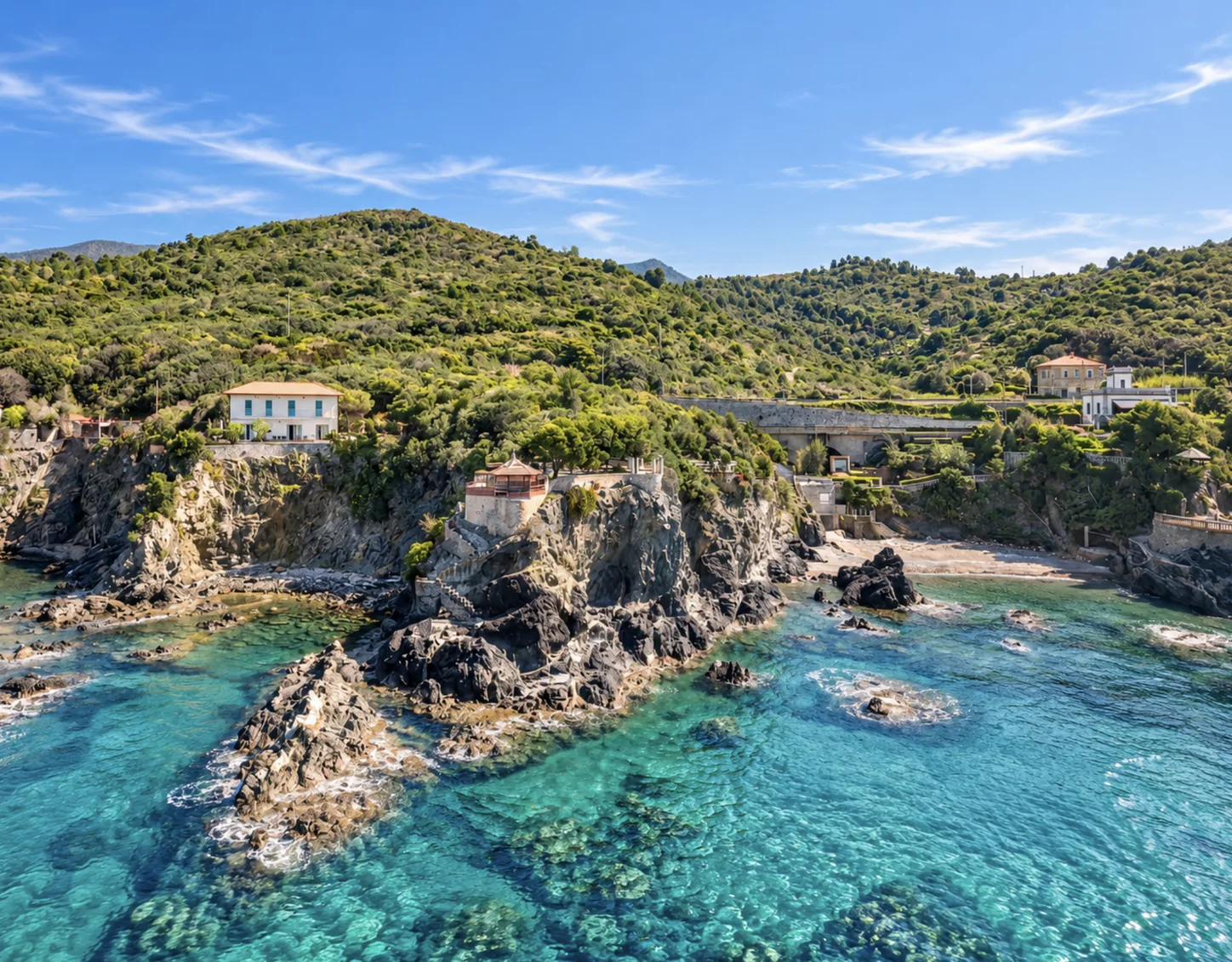
Roc Villa Bay is a private seafront house in Castiglioncello with four bedrooms, three private units, a large garden and two private accesses to the sea. It is a house for families and small groups, not a restaurant or a hotel. If food is the centre of your holiday, tell us, and we will help you build the week around markets, wineries, a chef and the sea. The enquiry form is the beginning.
Questions
Good to know
What is cacciucco?
Cacciucco is the fish stew of Livorno, made with several kinds of fish and shellfish, tomato, garlic, herbs and bread. Every family and restaurant has its own version.
Do you recommend restaurants on the Tuscan coast?
No. Restaurants change and a list that is wrong is worse than no list. Ask us when you are here, or ask your host in the village, and we will tell you what we would choose that week.
Is tipping expected in Tuscany?
Tipping is not obligatory. Rounding up is common and appreciated. The coperto on the bill is a cover charge for bread and service, not a tip.
Can you cater for dietary needs at the villa?
Yes, with advance notice. A private chef can agree a menu for the group, and allergies should be discussed before arrival rather than on the night.
Which wine should you drink on the Tuscan coast?
Bolgheri is the coast's best-known DOC, with Cabernet Sauvignon, Cabernet Franc, Merlot and Syrah reds and Vermentino whites. The Bolgheri guide explains the estates.
Stay at Roc Villa Bay
A private house
by the sea
Four bedrooms, three private units, more than 4,000 m² of Mediterranean garden and two private accesses to the sea in Castiglioncello.