
Versilia is not a comune. It is a historical and geographical region of north-western Tuscany, and the word is used in two different ways. In the stricter, historical sense it is the territory of Pietrasanta, Forte dei Marmi, Seravezza and Stazzema, once delimited by the river of Seravezza to the north and the old fort of Motrone to the south. In the broader, everyday sense it also includes Viareggio, Camaiore and Massarosa, the coastal plain between Marina di Massa and the lake of Massaciuccoli.
That ambiguity matters when you are booking a holiday. "Versilia" can mean a beach club in Forte dei Marmi, a studio in Pietrasanta, a walk in the Apuan Alps or a night in Viareggio. This guide explains the pieces so you can choose the one you actually want.
The landscape
Versilia is defined by the meeting of the Apuan Alps and the sea. The mountains rise abruptly behind the coastal plain; their marble has been quarried since antiquity and shipped from the coast for centuries. The plain itself is sandy, built-up along the shore and greener inland, with pine woods, nurseries and gardens.
The coast is a long sandy beach, organised largely around beach clubs and coastal establishments. Behind it, the pine woods give shade and a different scale. Inland, the villages climb towards the mountains, and the landscape becomes steeper, quieter and more agricultural.
The places
- Forte dei Marmi — the polished resort, with the Fortino, the Pontile and a compact centre. Read the Forte dei Marmi guide.
- Viareggio — the city, with the Carnival, the Liberty promenade and the port. Read the Viareggio guide.
- Pietrasanta — the historic art town, known for its workshops, its marble and its contemporary art. It is the cultural centre of the region.
- Seravezza — inland, at the foot of the Apuan Alps, with a Medici villa and a more mountainous atmosphere.
- Stazzema — the mountain comune, with hamlets, woods and a history that includes the wartime tragedy of Sant'Anna di Stazzema.
- Camaiore and Massarosa — the inland and lake side of the broader Versilia, greener and less oriented towards the beach.
Art and marble
Pietrasanta is the reason many travellers come to Versilia outside the beach season. The town has a long relationship with sculptors and foundries, and its streets and studios reflect that. Seravezza has the Villa Medicea, a Medici residence that now houses a cultural centre, and the surrounding valleys are working marble country.
The marble quarries of the Apuan Alps are not a theme park. Some are active, some are accessible on organised visits, and all of them are part of a fragile mountain environment. If you want to see them, go with a local guide and respect the closures and the weather.
Wine in Versilia
Versilia is not one of Tuscany's great wine regions. There are no famous DOC vineyards on the beach, and the honest answer is that the wine landscapes lie inland, in the Colline Lucchesi around Lucca and Montecarlo, and further south on the coast in Bolgheri, Bibbona, Suvereto and the Maremma.
That does not make the region a bad base for wine. It makes it a base for other things: the sea, the mountains, the art towns and the food. If wine is a priority, plan a day trip rather than expecting a winery on the doorstep. The Tuscan coast wineries hub and the winery visits guide explain the options.
Things to do
The things to do in Versilia guide covers the beach, Pietrasanta, Seravezza, the Apuan Alps and the lake, with suggestions for walkers, families and travellers who want a day away from the sand. The walking and cycling guide widens the frame to the rest of Tuscany.
Versilia and Roc Villa Bay
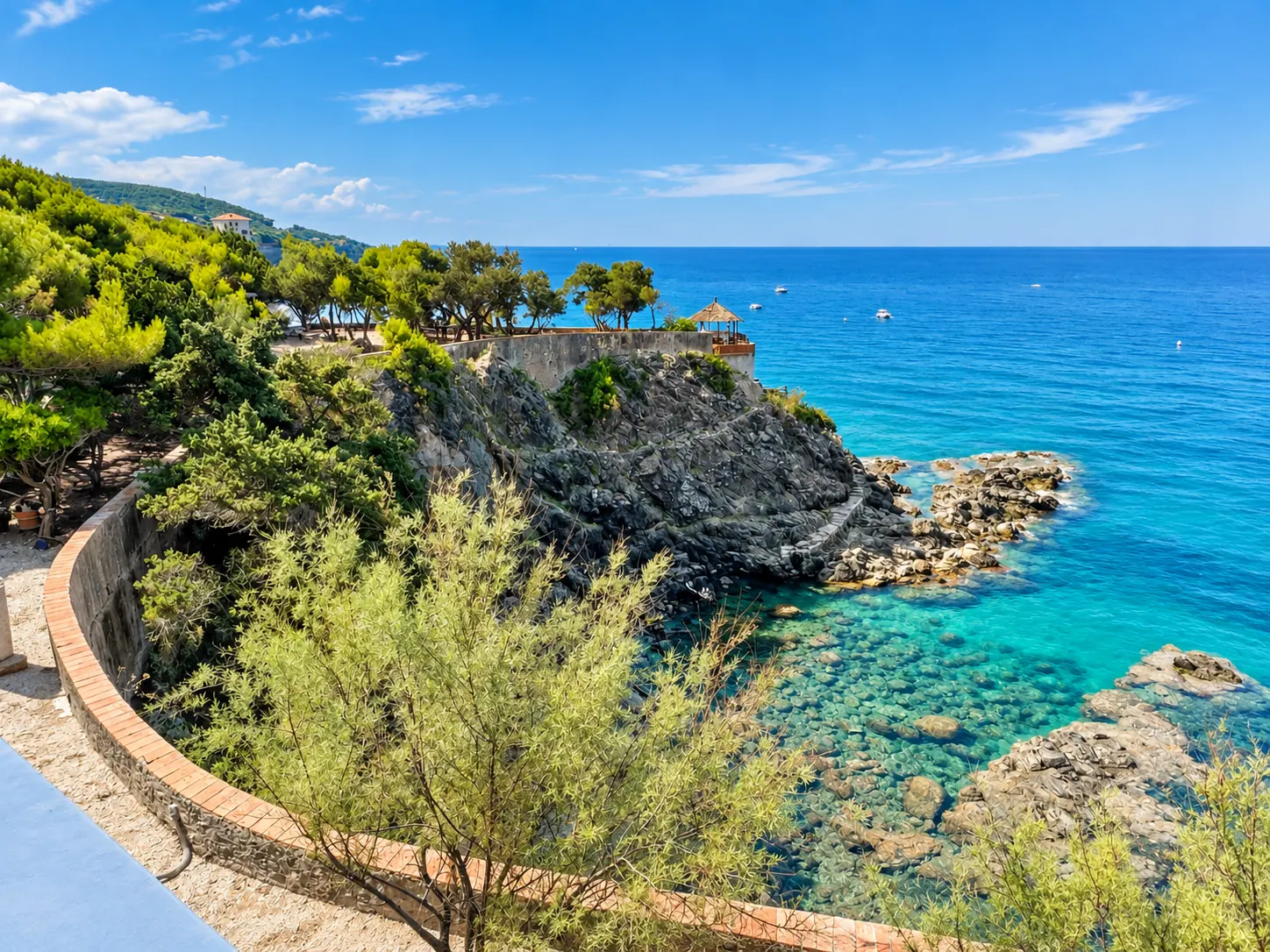
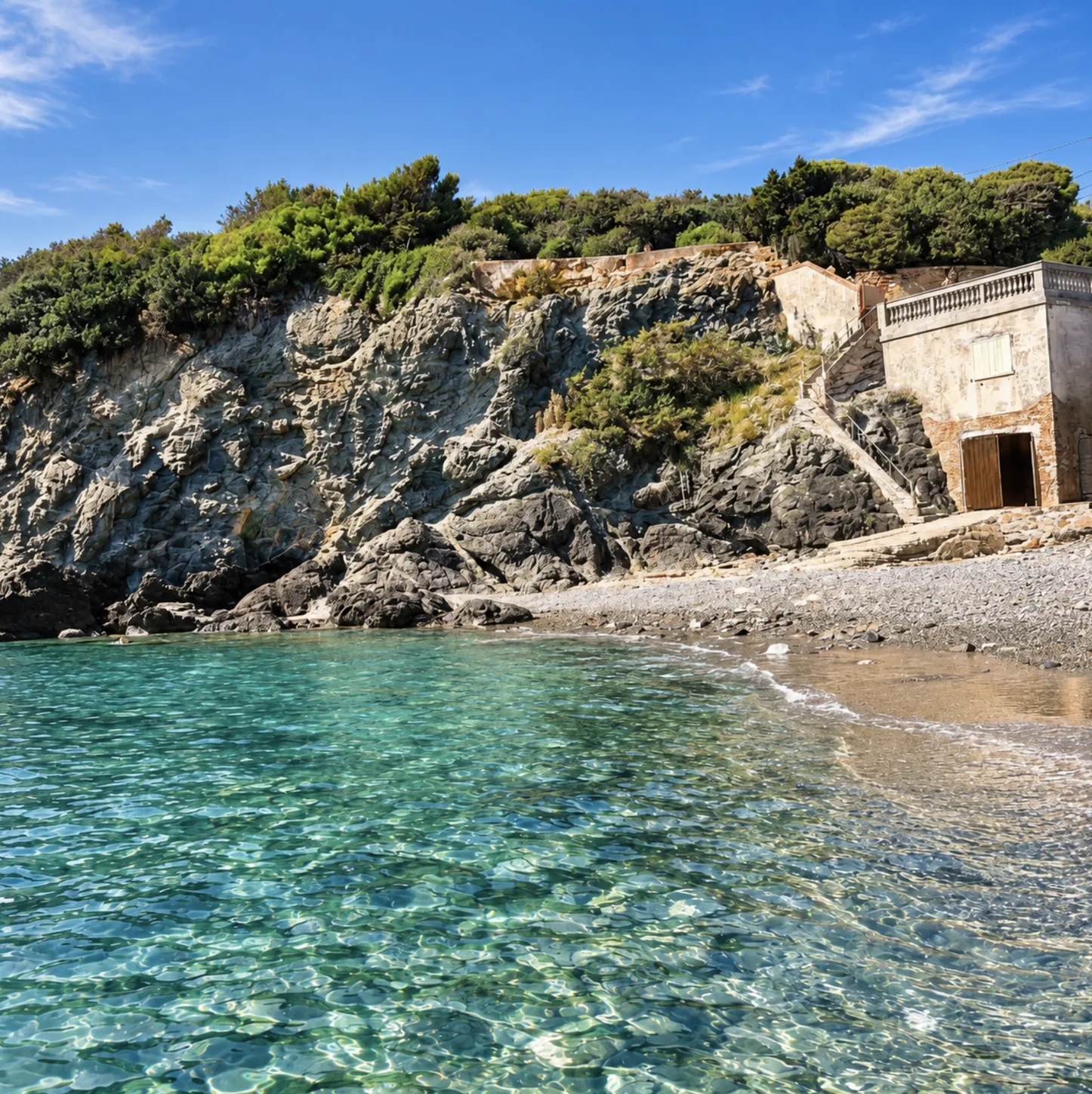
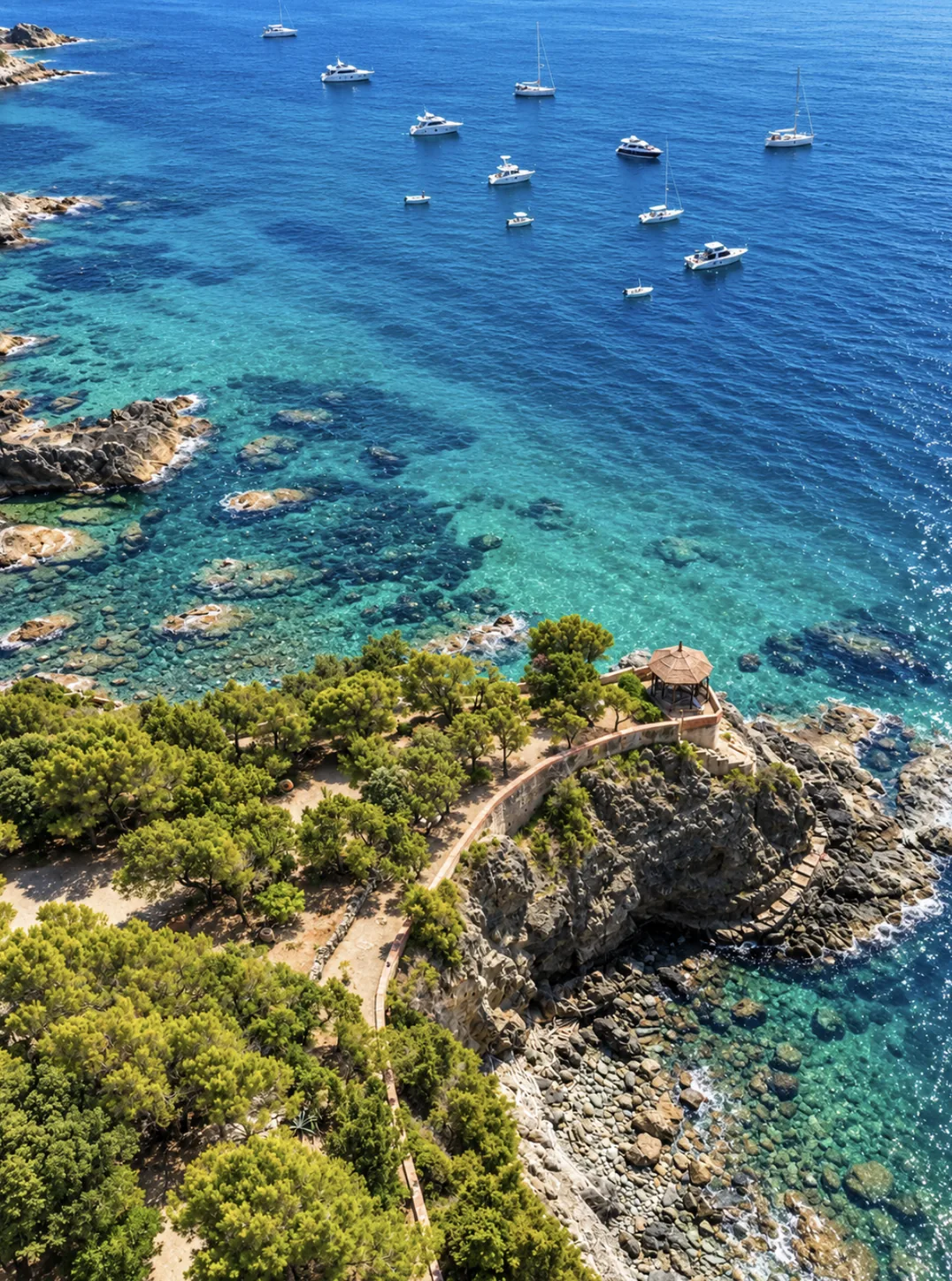
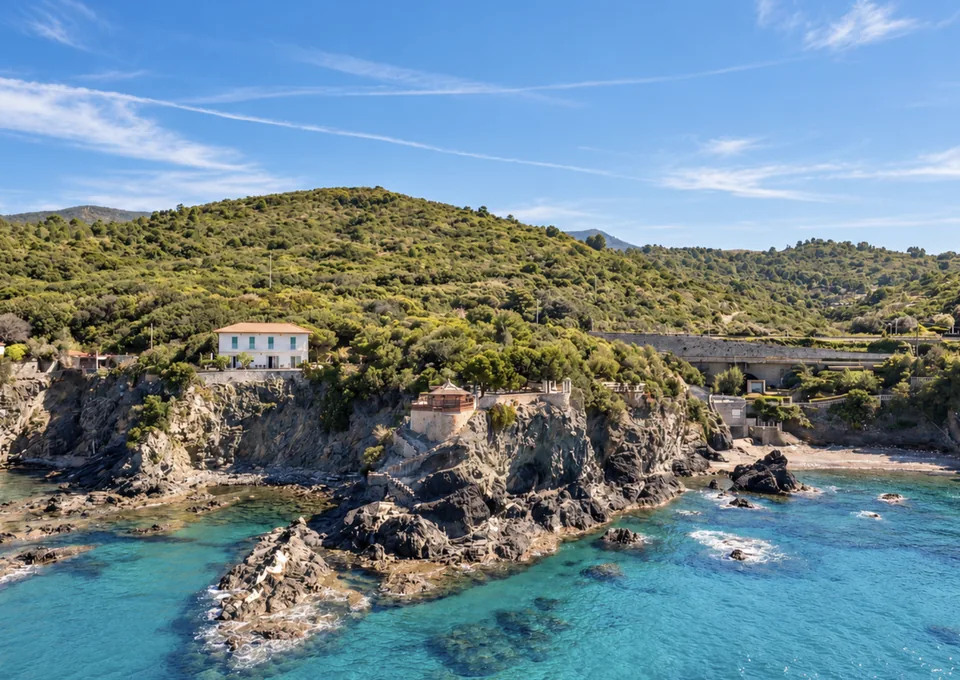
Roc Villa Bay is not in Versilia. It is in Castiglioncello, a frazione of Rosignano Marittimo in the province of Livorno, on the Etruscan Riviera. Versilia is in the province of Lucca, further north, and its coast is more built-up and more oriented towards beach clubs.
We do not publish a distance or a drive time between the two, because the answer depends on the route and the season. If you are planning a holiday that includes both, tell us and we will explain the practicalities. The where to stay guide compares the bases; the villas near Forte dei Marmi page is explicit about where we are.
Where to stay
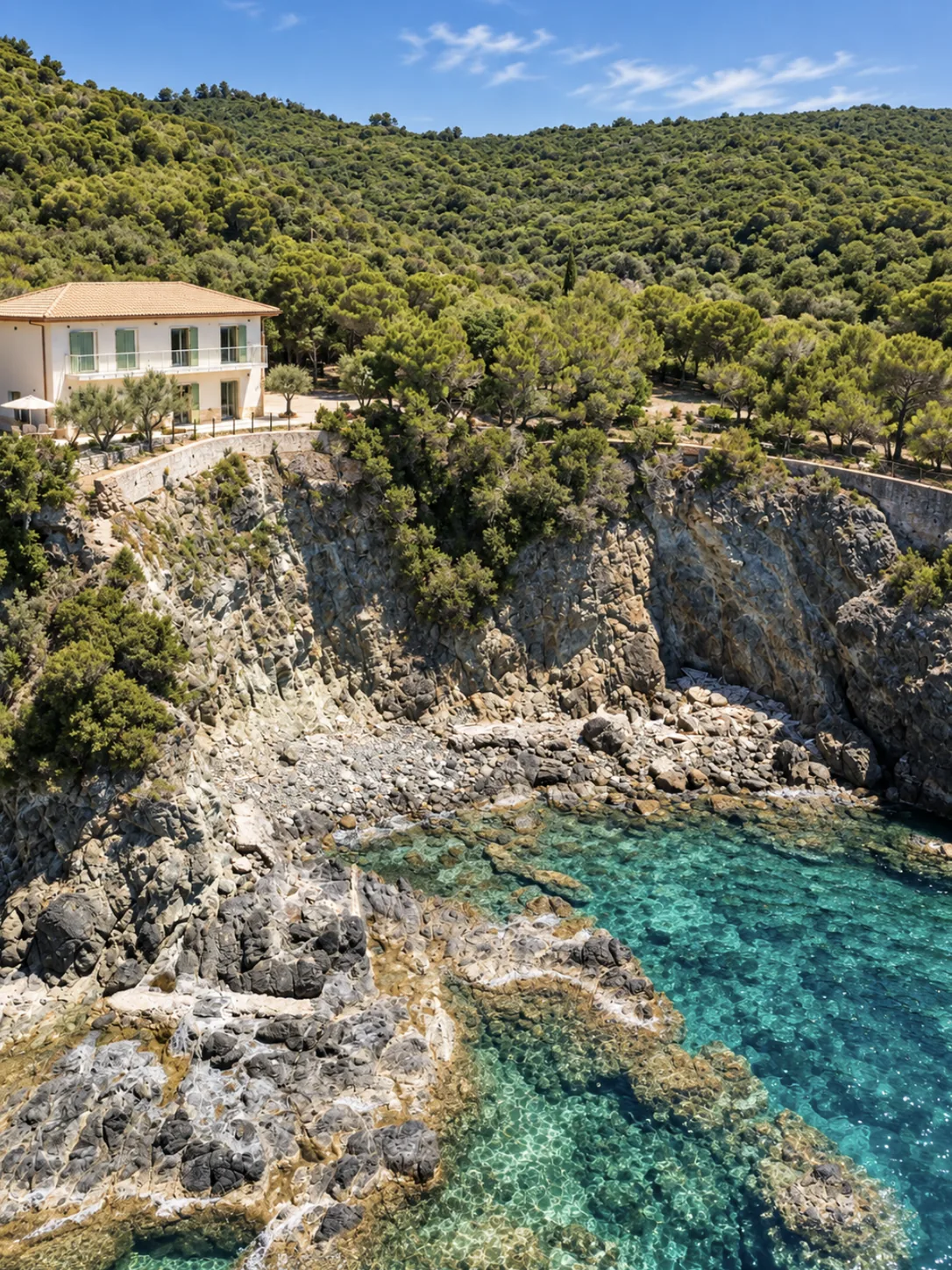
If Versilia is the holiday, stay in Versilia: Forte dei Marmi for the polished beach version, Viareggio for the city version, Pietrasanta for the art version. If you want a private house with a garden and direct access to the sea, Roc Villa Bay is a different base on the same coast. The villa page describes it; the enquiry form is where to start.
Questions
Good to know
Is Versilia a comune?
No. It is a historical and geographical region of north-western Tuscany, used in a strict and a broader sense.
Which comuni are in Versilia?
In the strict sense Pietrasanta, Forte dei Marmi, Seravezza and Stazzema. The broader use also includes Viareggio, Camaiore and Massarosa.
Is Versilia good for wine?
Not for vineyards on the beach. The wine landscapes are inland in the Colline Lucchesi and further south on the coast.
Is Roc Villa Bay in Versilia?
No. Roc Villa Bay is in Castiglioncello, in the province of Livorno, on the Etruscan Riviera.
Stay at Roc Villa Bay
A private house
by the sea
Four bedrooms, three private units, more than 4,000 m² of Mediterranean garden and two private accesses to the sea in Castiglioncello.