
Forte dei Marmi is a comune in the province of Lucca, on the coast of the Ligurian Sea, in the region of Versilia. It has about 6,499 residents and a reputation far larger than its size. The name comes from the small fort that stands in the centre, built at the wish of Grand Duke Leopold to defend the landing place, and from the marble that was brought down from the Apuan Alps to the pontile and loaded onto ships.
That history still shapes the place. Forte dei Marmi is a polished beach resort with a compact centre, sandy beaches, pine woods and villas behind garden walls. It is not a wine town, and it is not a village in the Castiglioncello sense. This guide explains what it is good for and how to judge whether it is the right base for you.
The place
The comune sits entirely in the plain, at the northern end of the province of Lucca, close to the border with Massa Carrara. Its beach is fine, golden sand; the water is shallow for a long way out. The town is characterised by greenery: pine woods, private gardens and tree-lined avenues, rather than a wall of hotels.
The centre is small and walkable, with the Fortino and the pontile as its symbolic points. The Pontile is the pier from which marble was once loaded; today it is a place to walk and look back at the Apuan Alps. The mountains are the constant backdrop, and they explain both the town's history and its light.
What people come for
Most visitors come for the combination of a sandy beach, a well-kept centre and a social season that runs from late spring into early autumn. Beach clubs line the shore; behind them are shops, restaurants and villas. It is a place where the day is organised around the beach and the evening around the centre.
That is a particular pleasure, but it is not the same pleasure as a small village on the Livorno coast. Forte dei Marmi is more polished, more social and more expensive in feel. If you want a promenade, a beach club and a town that dresses for dinner, it is hard to beat. If you want pine woods, empty coves and a garden that runs down to the sea, it is the wrong shape of holiday.
Things to do
The beach is the main event. Beyond it, the Fortino and the Pontile anchor a walk through the centre; the Apuan Alps and the marble towns of Pietrasanta and Seravezza are the natural excursions. Pietrasanta is known for its workshops and contemporary art; Seravezza has a Medici villa and a different, more inland atmosphere.
Cycling is a good way to see the flat coastal plain, and the pine woods give shade when the beach is too hot. The things to do in Forte dei Marmi guide sets out a few days that do not depend on a car for every hour.
Wine and food
Forte dei Marmi is not a wine-producing comune. There are no DOC vineyards in the town itself, and the honest advice is not to look for a winery visit here. The nearest wine landscapes are inland, in the Colline Lucchesi and around Montecarlo, and further south on the coast in Bolgheri and Bibbona.
That does not mean the town is a desert for wine: restaurants and enoteche pour Tuscan bottles, and a day trip to a coastal estate is perfectly possible. The Tuscan coast wineries hub is the index; the winery visits guide explains how to book and how to handle a driver.
Forte dei Marmi and Roc Villa Bay
Roc Villa Bay is not in Forte dei Marmi. It is in Castiglioncello, a frazione of Rosignano Marittimo in the province of Livorno, on the Etruscan Riviera. The two places are on the same coast but belong to different stretches of it, with different landscapes and different rhythms.
We do not publish a distance or a drive time, because the route depends on traffic, season and where exactly you are going. If you are planning an itinerary that includes both, ask us and we will confirm the practicalities. The villas near Forte dei Marmi page explains the difference in full; the where to stay guide compares the bases.
Where to stay
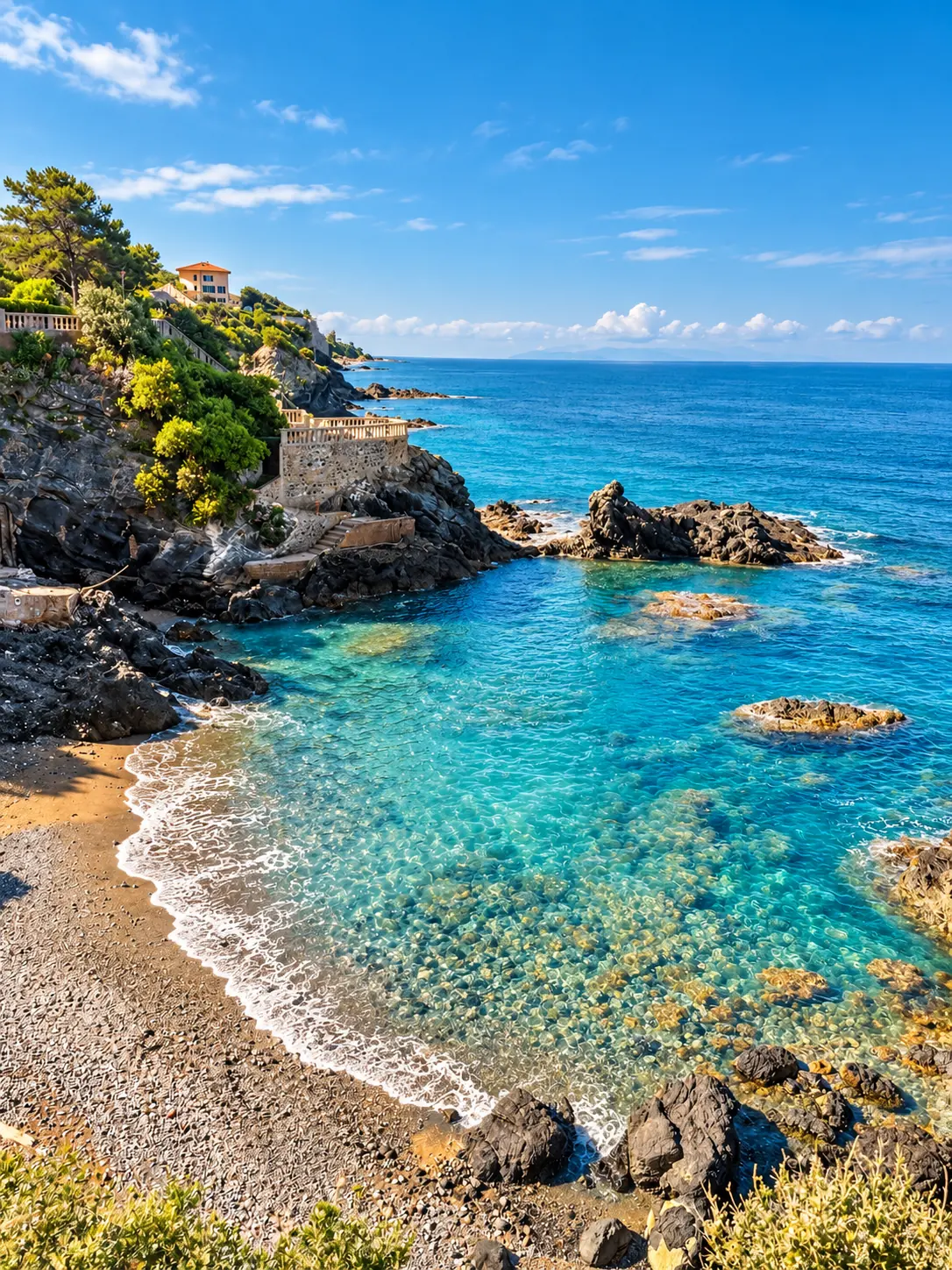
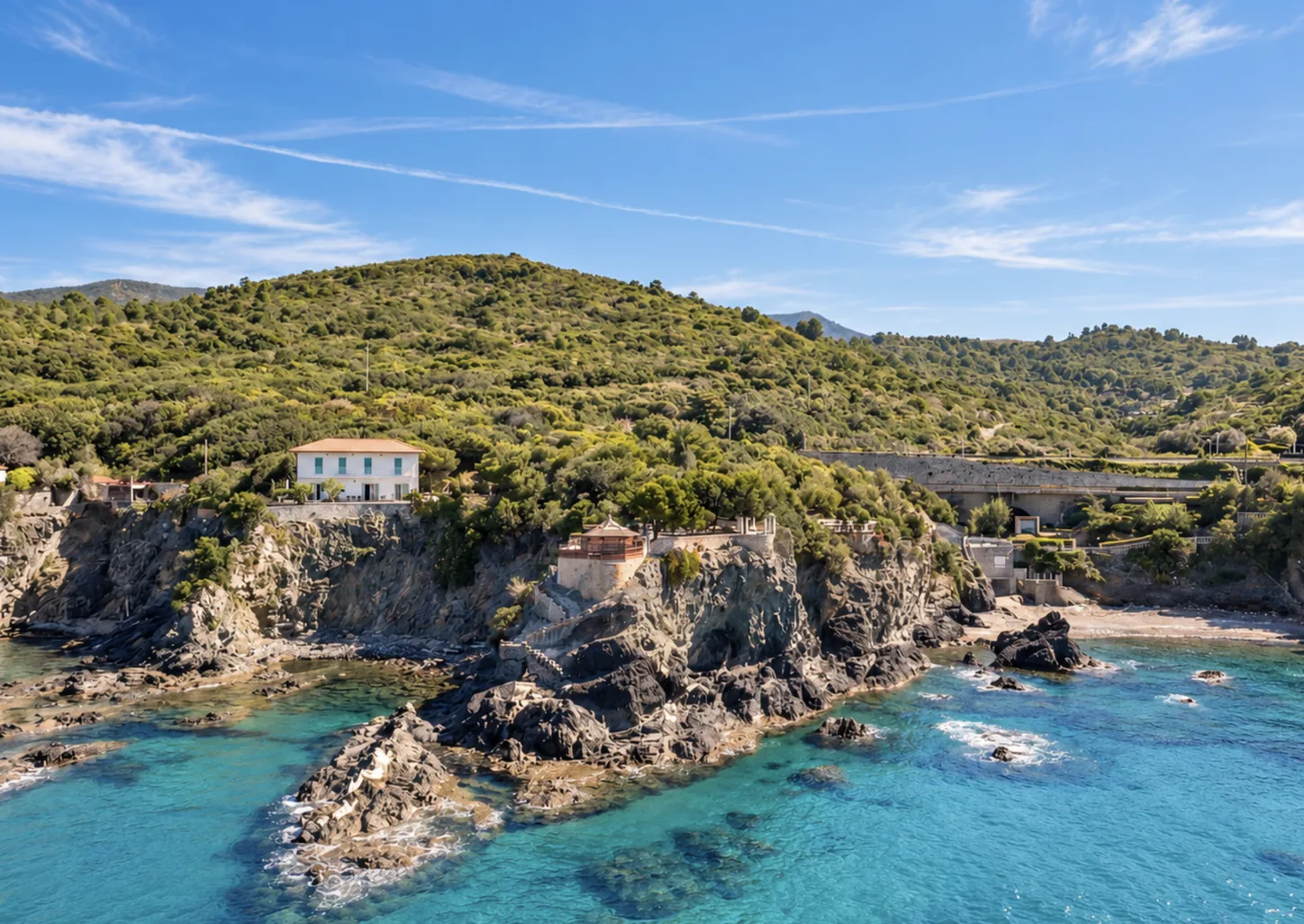
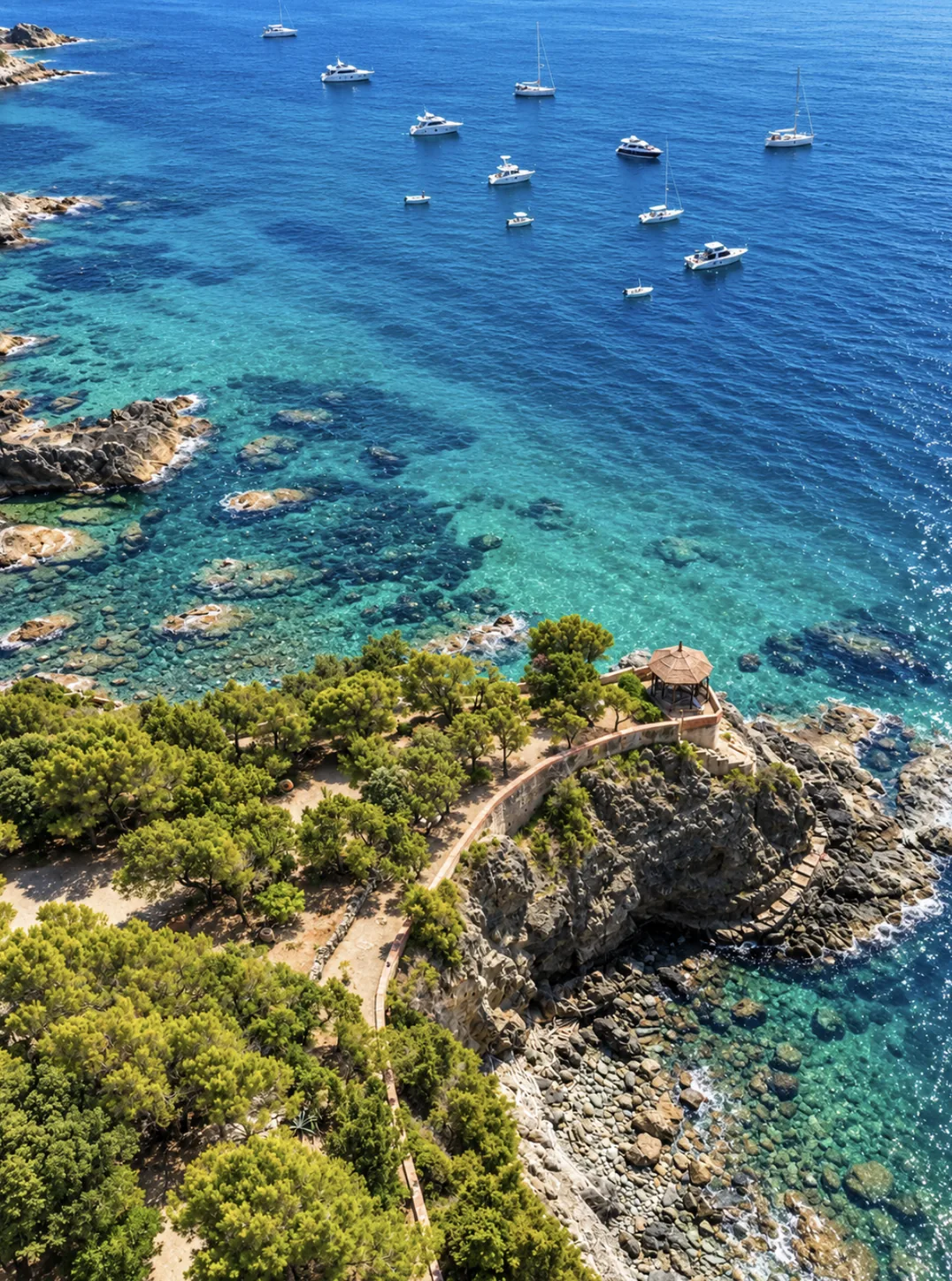
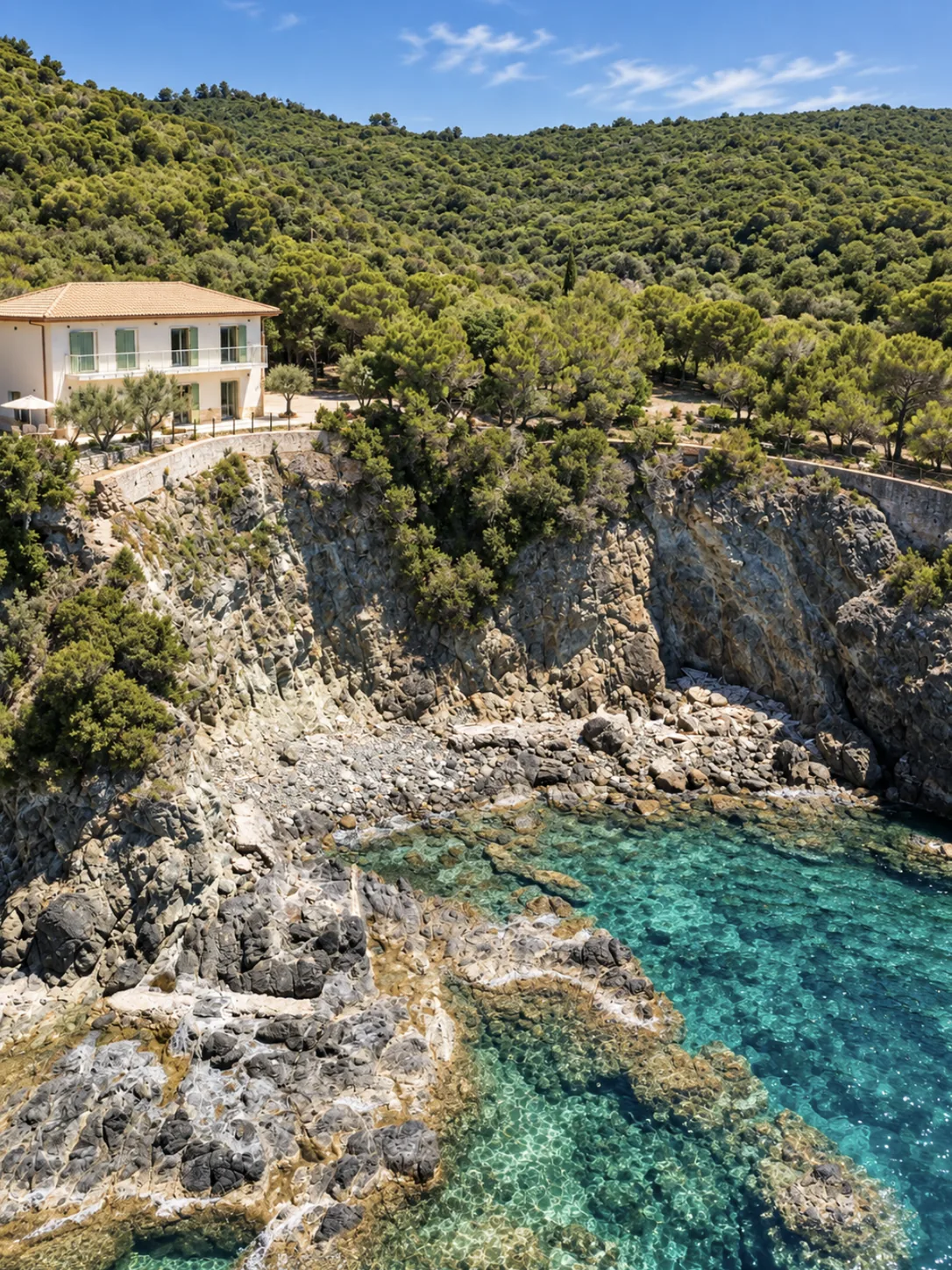
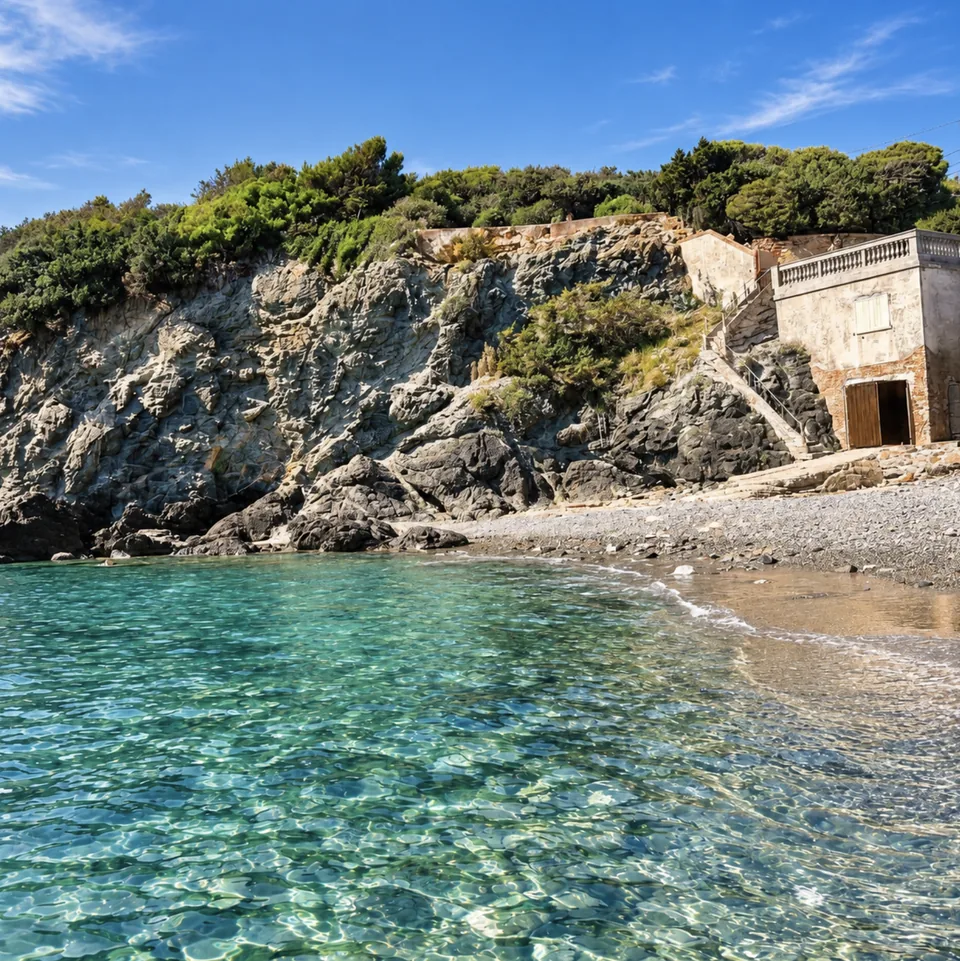
If Forte dei Marmi itself is the point of the holiday, stay in or near the town. If you want a private house with a garden and two private accesses to the sea, and you are willing to be further south on the same coast, Roc Villa Bay is worth considering. The villa page describes the house; the enquiry form is where to start.
Questions
Good to know
Where is Forte dei Marmi?
In the province of Lucca, on the coast of the Ligurian Sea, in the historical region of Versilia.
Why is it called Forte dei Marmi?
The name comes from the small fort at the centre of the town, built at the wish of Grand Duke Leopold, and from the marble brought down from the Apuan Alps to the pontile.
Is Forte dei Marmi a wine town?
No. There are no DOC vineyards in the town itself. The nearest wine landscapes are inland and further south on the coast.
Is Roc Villa Bay in Forte dei Marmi?
No. Roc Villa Bay is in Castiglioncello, in the province of Livorno, on a different stretch of the same coast.
Stay at Roc Villa Bay
A private house
by the sea
Four bedrooms, three private units, more than 4,000 m² of Mediterranean garden and two private accesses to the sea in Castiglioncello.